Many people can power through a few intense workouts, but far fewer manage to exercise week after week without constantly starting over. The difference usually comes down to habits, not willpower. Building a routine that runs almost on autopilot is what turns movement into a stable part of daily life instead of a short-lived project.
Researchers who study behavior change point to a mix of cues, rewards, and environment as the real engine of consistency. When those pieces are set up thoughtfully, even a modest routine can deliver outsized health benefits over time.
How science has reshaped the playbook for lasting exercise habits
For years, conventional advice framed consistency as a matter of motivation and discipline. Newer habit research paints a different picture, in which repetition in a stable context gradually wires a behavior into the brain. Experts at Mayo Clinic describe habits as actions that start with conscious effort but, with repetition, become automatic responses to cues, such as a time of day or a location, that trigger the routine with far less mental effort. That helps explain why some people feel like they simply “do not think about it” when they head to the gym.
This shift in understanding has changed how coaches and clinicians advise people to start moving. Rather than urging long, punishing workouts, many now recommend very small, repeatable sessions that lower psychological resistance. The popular 3-3-3 rule, for example, encourages beginners to do three exercises for three sets three times a week, which keeps the workload manageable while still building a pattern that can be expanded later. By narrowing choices and limiting duration, this kind of template removes much of the friction that usually derails new exercisers.
Habit science has also moved from abstract theory into practical tools. One approach is “habit stacking,” where a new behavior is attached to an existing routine so the old habit acts as a cue for the new one. Behavioral specialists at Virginia Commonwealth University describe mindful habit stacking as pairing a specific, clearly defined action with a reliable anchor, such as doing ten squats right after brushing teeth. This allows the brain to link the two behaviors and makes the new action easier to remember and repeat. For exercise, that might mean always putting on walking shoes immediately after morning coffee or doing a short mobility sequence right after shutting down a laptop at the end of the workday.
Researchers have also refined expectations about timing. Earlier popular claims that any habit forms in a fixed number of days have been replaced by more nuanced findings that formation can take far longer and varies by person and behavior. As a result, experts now emphasize consistency over arbitrary deadlines and treat setbacks as normal noise rather than proof of failure.
Why sticky exercise routines matter more in a time-crunched world
The health stakes of regular movement have not changed, but the context around them has. Many adults report feeling too busy to work out, squeezed by long commutes, caregiving, and screen-heavy jobs. Lifestyle reporting has highlighted how people often imagine exercise as a large, inflexible block of time, which makes it easy to skip when schedules tighten. Yet coaches and clinicians argue that shorter, more flexible sessions can still deliver meaningful benefits if they happen reliably.
Guides for busy professionals now emphasize “micro-workouts” and active choices woven into the day. Suggestions include walking meetings, brisk ten minute walks between tasks, or bodyweight circuits at home that use minimal equipment. Nutrition and fitness experts note that breaking movement into small chunks, such as walking for ten minutes three times a day, can add up to impressive weekly totals and is far more realistic for someone who feels too overwhelmed to schedule an hour at the gym.
Habit research also highlights the power of keystone behaviors that create ripple effects across health. These keystone habits are routines that, once established, tend to support other positive changes. For some people, a consistent evening walk leads to earlier bedtimes and better sleep, which then improves food choices and energy the next day. Lifestyle coaches point out that focusing on one or two of these keystone habits, such as a daily walk or a fixed bedtime, often produces more lasting change than trying to overhaul diet, sleep, and exercise all at once.
Clinicians who study long term adherence stress that the emotional experience of workouts matters as much as the physical stimulus. If every session feels like punishment, the brain learns to associate exercise with stress and avoidance. The Mayo Clinic analysis of habit formation notes that rewards, whether intrinsic (a sense of calm, pride, or energy) or extrinsic (a check mark on a calendar or a step-count streak), help lock in routines by giving the brain a reason to repeat the behavior. This is one reason many trainers now encourage people to track how they feel after a workout, not just what they lifted or how far they ran.
Technology has layered new tools on top of these principles. Apps like Strava, Apple Fitness+, and Peloton use streaks, badges, and social features to create cues and rewards that keep people engaged. The same psychology can cut both ways, though. When streaks break or metrics stall, some users lose motivation. Habit experts increasingly recommend using tech as a support, not a crutch, and focusing on identity based goals, such as “being an active person,” rather than fragile streaks that reset to zero after one missed day.
Practical strategies that will shape the next generation of exercise habits
Looking ahead, the most effective routines are likely to rely less on heroic willpower and more on smart design. One emerging strategy is to treat exercise as a non negotiable appointment that is protected like a work meeting. Health systems such as UCLA Health encourage people to write workouts into calendars, choose specific activities and locations, and plan for obstacles in advance, for example by having an at home alternative ready if traffic makes it impossible to reach the gym. This kind of implementation planning turns vague intentions into concrete scripts, which research suggests makes follow through far more likely.
Another direction is to scale intensity to life seasons instead of chasing constant progression. Coaches who work with busy parents or shift workers often recommend “minimum viable” routines during hectic periods, such as two thirty minute strength sessions per week plus daily walking, then ramping up when life allows. Articles on maintaining fitness resolutions argue that this flexible floor prevents the all or nothing cycles that lead people to quit entirely whenever life gets complicated.
Environment design will also play a larger role. Behavior specialists point out that people are more likely to move if their surroundings make the active choice easier than the sedentary one. That can be as simple as keeping a yoga mat unrolled in the living room, placing a kettlebell next to the desk, or storing running shoes by the door. Some coaches advise clients to “child proof” their routines by removing friction, such as packing a gym bag the night before or choosing a gym that is on the commute route rather than out of the way.
Habit stacking is likely to grow more sophisticated too. The VCU work on mindful stacking emphasizes not only pairing behaviors, but also bringing awareness to the transition between them, for example taking a breath and consciously noting, “After coffee, I walk.” That small moment of attention appears to strengthen the cue routine link and may help people adjust stacks when schedules change instead of abandoning them entirely.
At the same time, simple rules of thumb will continue to help beginners get started. The 3-3-3 framework gives a clear, low pressure entry point that can be adapted to different fitness levels, such as three basic moves like squats, pushups, and rows, performed for three sets, three times a week. Writers who have tested the rule describe how the structure reduces decision fatigue and makes it easier to show up consistently, especially for those who feel intimidated by complex programs.
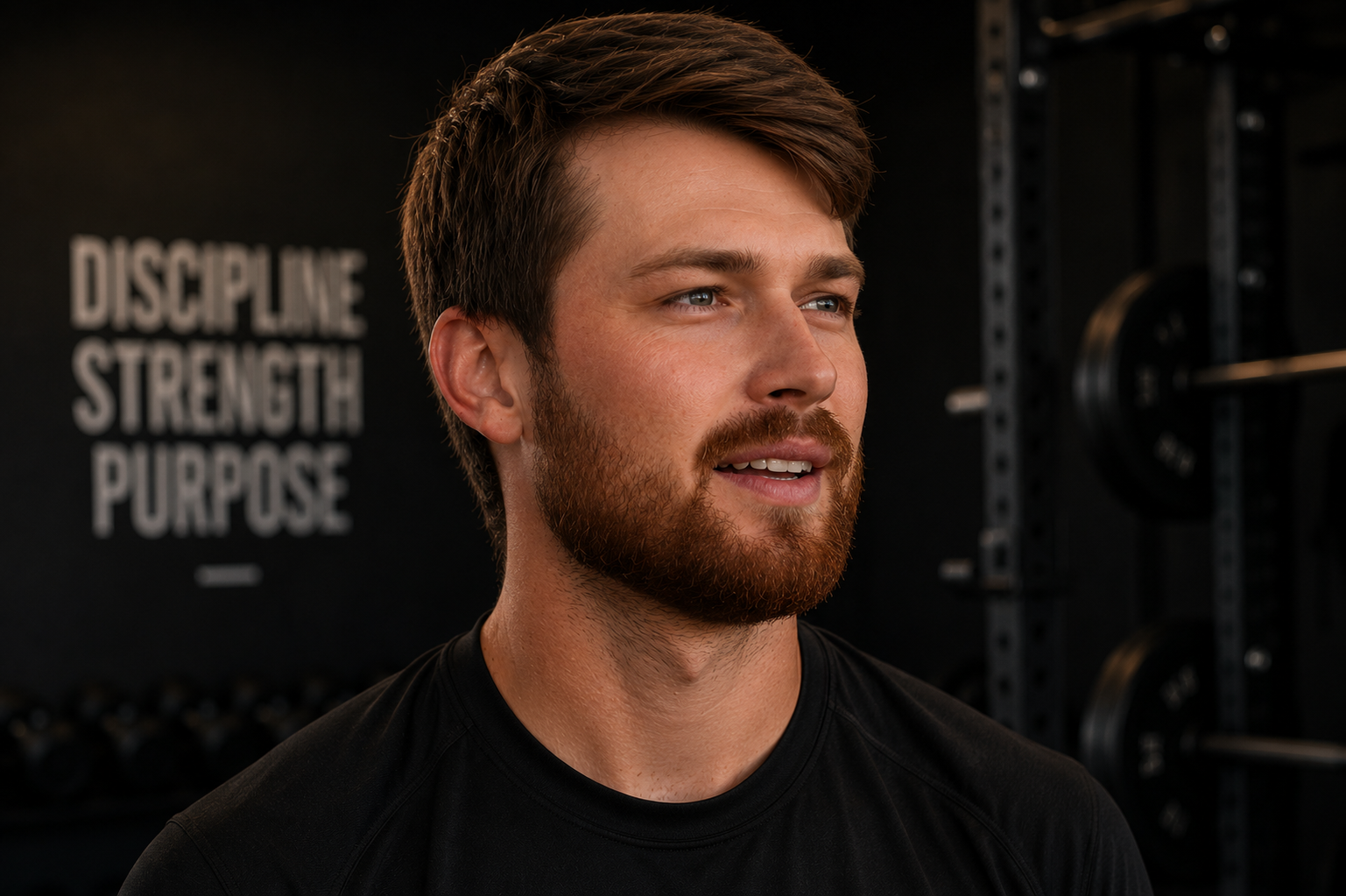
Josh Clark grew up going to the gym with his dad and brothers, which sparked a lifelong interest in fitness. Now a husband and father, he writes about getting stronger in the gym and becoming more disciplined, dependable, and capable in everyday life.