Morning habits quietly shape how the rest of the day feels. A short, focused routine right after waking can lift energy, sharpen focus, and keep the body burning more calories for hours. The idea of a 10-minute sequence that nudges metabolism higher all day is not magic, but it does line up with what trainers and health experts now recommend for busy people.
How the 10-minute fat-burning routine has evolved
Short workouts were once treated as a fallback when there was no time for a full gym session. That mindset has shifted as coaches highlight how brief, intense movement can trigger a strong metabolic response. Many trainers now design compact sessions that mix strength, cardio, and mobility so that even 10 minutes can challenge large muscle groups and raise heart rate in a controlled way.
Many of these plans lean on simple bodyweight moves that fit in a living room. A structured sequence of squats, lunges, planks, and high knees can act as a focused home workout to target belly fat, especially when arranged in intervals that alternate effort and short recovery. Guides that frame this as a no gym, no-equipment routine make it easier for people to start before work instead of skipping exercise entirely, and they show how a short circuit can still feel like a complete session.
Walking has also been reframed as more than light activity. Detailed programs now show how a planned seven-day walking schedule can reduce visceral fat around the organs when it includes brisk intervals, varied terrain, and consistent daily steps. By treating walking as a structured training tool, these plans turn a basic movement into a targeted strategy for long-term fat loss and metabolic health, not just a casual stroll.
Public figures who share their own quick routines have added to this shift. When a 52-year-old celebrity like Malaika Arora publicly demonstrates a 10-minute Chinese-inspired exercise to tone the body and lose fat, it helps normalize short daily movement as a serious practice rather than a shortcut. Her emphasis on controlled, repetitive motions and posture shows that even low-impact patterns can be challenging when performed with focus and precision.
Yoga has also moved into this space. Instructors now promote specific morning flows that combine ten asanas to boost metabolism and reduce belly fat. One expert-backed routine lays out a 20-minute sequence for beginners that includes twists, core activation, and standing poses that stimulate large muscle groups. Compressed into 10 minutes, a similar flow can still wake up the core, mobilize the spine, and prime the nervous system for more movement later in the day.
Underlying all these formats is a shared idea. The routine is no longer just about burning calories during the session. It is designed to switch the body from a sluggish, overnight state into an active one, so that every step, posture change, and food choice across the day happens on a slightly higher metabolic baseline.
Why a 10-minute morning sequence matters right now
People are working longer hours, commuting more, and spending much of the day seated. That reality has made long gym sessions unrealistic for many adults. Trainers now argue that a consistent 10-minute routine at the start of the day can be more effective than irregular, longer workouts, because adherence drives results. Short sessions reduce friction. With less need for special clothes, travel time, or equipment, it becomes easier to keep the habit for months.
Experts who design quick weight loss workouts highlight that intensity and smart exercise choice matter more than duration. A curated list of the best 10-minute workouts for weight loss focuses on compound moves like squats, pushups, and mountain climbers that recruit multiple muscle groups at once. These sessions often use interval patterns, such as 40 seconds of effort followed by 20 seconds of rest, to raise heart rate quickly and keep it elevated. That structure supports higher calorie burn for the rest of the morning through a modest afterburn effect.
Health writers also point out that morning movement pairs naturally with other metabolic habits. Strategies such as the 30 30 30 approach, which combines protein intake with early exercise, are built around the idea that what happens in the first hour after waking can shape blood sugar, hunger, and energy for the day. When a short workout is completed before breakfast, the body may handle nutrients differently, with more directed toward muscle repair and less stored as fat, especially when the session includes resistance work.
Walking plans aimed at visceral fat reduction show another reason the timing matters. A seven-day schedule that encourages morning walks frames them as a base layer of movement that can be sustained long term. People who start the day with a brisk walk are more likely to accumulate additional light activity, such as taking stairs or running errands on foot, which compounds the calorie burn without feeling like formal exercise.
Yoga-based routines deliver benefits that go beyond fat loss. A set of ten morning asanas that focus on twisting, bending, and core engagement can improve digestion, posture, and stress levels. When this type of practice is done shortly after waking, it can lower tension that might otherwise build throughout the day. Lower stress can indirectly support fat loss, since elevated cortisol is linked to increased abdominal fat and cravings for high-calorie foods.
Celebrity-led quick routines illustrate the cultural pull of short, repeatable habits. Malaika Arora’s promotion of a 10-minute Chinese-style workout shows that people are willing to try new formats if they appear efficient and age inclusive. Her example also highlights that consistency over years, not occasional extreme effort, is what keeps the body lean and toned in midlife.
For many readers, the most important factor is psychological. A brief morning session creates an early win. Completing a 10-minute workout before checking messages or email can shift identity from sedentary to active. That mindset change often carries into food choices, posture, and willingness to move more, which collectively support a higher daily energy burn.
How the next generation of 10-minute routines will look
The future of these short morning sequences is likely to be more personalized and more integrated with the rest of the day. Trainers already design 10-minute belly fat workouts that can be done at home with no equipment, and they are beginning to layer them into weekly plans that rotate focus between core, lower body, and cardio. A morning might start with a quick core circuit, followed by a lunchtime walk and an evening stretch, all coordinated by a simple calendar or app.
Digital programs are also merging walking and strength work. Some seven-day visceral fat plans now combine brisk morning walks with short strength routines on alternating days. This approach uses walking to improve cardiovascular health while strength training preserves or builds muscle mass, which is key for a higher resting metabolic rate. Over time, that mix can make the body more efficient at burning fat even during rest.
Yoga is likely to play a larger role for beginners and older adults. The 20-minute beginner morning flow that focuses on metabolism and belly fat can be adapted into shorter segments, such as a 10-minute standing sequence for busy days and a longer full flow on weekends. As more instructors share these modular routines, people will be able to pick a version that matches their schedule and joint comfort without losing the benefits of consistent practice.
Celebrity and influencer content will probably keep pushing creative formats. Short clips of Chinese-inspired exercises, dance-based intervals, or hybrid yoga-strength flows can introduce variety while keeping the time commitment low. What will matter most is whether these routines still follow proven principles such as progressive overload, interval structure, and attention to large muscle groups.
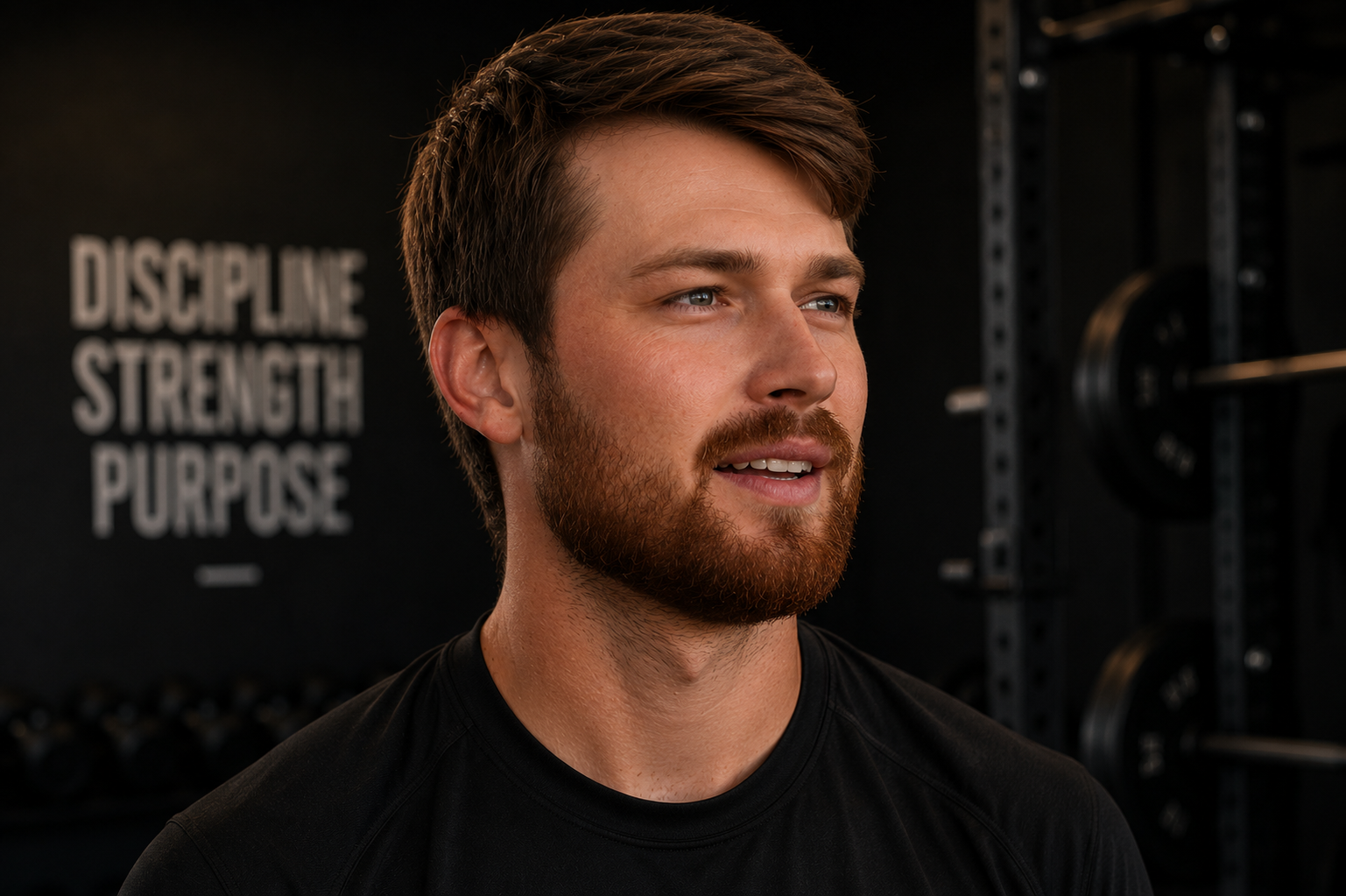
Josh Clark grew up going to the gym with his dad and brothers, which sparked a lifelong interest in fitness. Now a husband and father, he writes about getting stronger in the gym and becoming more disciplined, dependable, and capable in everyday life.