Mental strength is no longer treated as a mysterious trait that some people simply have and others lack. Psychologists, coaches, and military trainers now describe it as a set of learnable skills that help people handle stress, adapt to change, and keep moving toward what matters. Building that kind of resilience is less about never struggling and more about training the mind the way athletes train their bodies.
Across research labs, sports arenas, and even military units, a similar message keeps surfacing: small, consistent habits reshape how the brain responds to pressure. That shift has changed how experts think about grit, recovery, and emotional health, and it is reshaping how ordinary people can strengthen their inner lives.
How the definition of mental resilience has quietly expanded
For years, resilience was often framed as simply “bouncing back” after hardship. Clinical psychologists now describe it more precisely as the process of adapting well to adversity, trauma, or significant stress, which involves behavior, thoughts, and actions that anyone can learn. That broader view, reflected in guidance on what resilience is, shifts the focus from personality to skills.
Rather than asking whether someone is tough enough, researchers now map out specific capacities such as emotional regulation, realistic optimism, and flexible problem solving. These skills influence how people interpret setbacks, whether they seek support, and how quickly they return to baseline after a shock. Resilience is treated less as a fixed trait and more as a dynamic process that can grow or weaken depending on habits and environment.
Popular psychology has followed that shift. Reading lists that once centered on high-level self-help now highlight evidence informed titles on cognitive behavioral techniques, habit formation, and emotional literacy. Curated collections of psychology books emphasize practical exercises, such as reframing negative thoughts or building daily reflection routines, that mirror what therapists use in clinical settings.
There has also been a move away from glorifying stoicism. Resilience coaching now stresses that acknowledging distress, naming emotions, and seeking help are part of mental strength, not signs of weakness. Clinical advice on ways to improve emotional resilience encourages people to focus on how they think about events, not on suppressing reactions, and to build supportive relationships that make adaptation easier. Unverified based on available sources.
Why mental toughness skills have become a survival tool
The demand for practical strategies has surged as people juggle economic uncertainty, health worries, and rapid workplace shifts. Psychologists describe resilience as a buffer that reduces the likelihood of anxiety and depression when stressors pile up. By changing how someone interprets difficulty, it can lower the psychological cost of events that cannot be controlled.
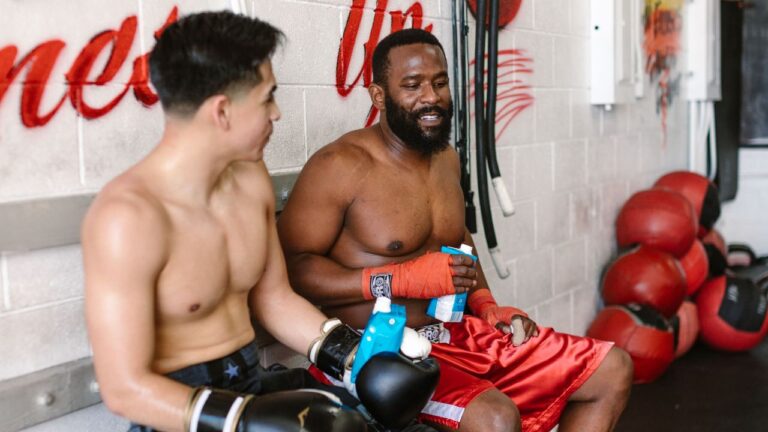
Elite sport offers a visible example of how mental toughness shapes outcomes. Coaches now train athletes to handle pressure, distraction, and fatigue with the same rigor used for physical drills. Profiles of mental toughness in describe routines that include visualization, self talk scripts, and deliberate exposure to stressful scenarios in practice so that competition feels more familiar. The goal is not invincibility, but the ability to reset quickly after mistakes.
Military programs have drawn similar lessons. Training pipelines focus on resilience as a combination of physical conditioning, mental skills, and social support. Commentaries on warfighter resilience describe how strength, unit cohesion, and clear purpose help service members function under extreme strain. These programs treat mental toughness as something built through routine, challenge, and debriefing, not as a mysterious gift.
High performance stories increasingly highlight the same mental patterns outside of combat or sport. A champion gymnast’s lessons on building resilience emphasize embracing fear as information, breaking big goals into controllable steps, and learning to recover from public errors without spiraling. Those strategies translate directly to exam rooms, board meetings, and family crises.
A quieter cultural change is unfolding alongside these high-profile examples. Mental health discussions have moved from the margins into workplaces, schools, and online communities. Instead of waiting for burnout or breakdown, more people are looking for proactive ways to train attention, manage rumination, and protect energy. That shift makes resilience less of an emergency measure and more of a daily hygiene practice.
Practical ways to train the mind for resilience
The emerging consensus across psychology, sport, and military training is that mental strength grows through repeated, manageable challenges. Several habits stand out as especially effective when practiced consistently.
1. Use physical training as a mental lab. Structured exercise forces the brain to deal with discomfort, boredom, and self doubt. Coaches often design sessions that push athletes slightly beyond their comfort zone, then teach them how to stay focused when the body wants to quit. A military style endurance routine shared by a strength coach illustrates how a simple mix of running, bodyweight movements, and timed intervals can build both muscle and mental toughness. The key is learning to notice the urge to stop, then choose one more rep or one more minute.
2. Train the inner voice. Cognitive behavioral techniques encourage people to track automatic thoughts, test them against evidence, and replace catastrophizing with more accurate statements. Over time, this reshapes the internal commentary that can either fuel resilience or erode it. Many of the recommended books to boost walk readers through exercises that challenge all or nothing thinking and build a more balanced inner narrative.
3. Build emotional awareness, not numbness. Psychiatric guidance on improving emotional resilience stresses the value of identifying feelings early, understanding triggers, and using coping tools such as breathing exercises, journaling, or brief walks to reset attention. Lists of ways to improve repeatedly return to the theme that how someone interprets events shapes their stress response more than the events themselves.
4. Practice controlled exposure to stress. Rather than avoiding every difficult situation, resilience training encourages gradual exposure to challenges. That might mean taking on a slightly harder project at work, practicing public speaking in small groups, or signing up for a 5K race when running feels intimidating. A structured approach to mental toughnessframes these steps as deliberate experiments that expand what feels possible.
5. Strengthen social connections. Research on resilience consistently finds that supportive relationships are one of the strongest predictors of adaptation. Military programs that emphasize unit cohesion and shared purpose see better outcomes after deployment. Civilian resilience plans encourage people to invest in friendships, mentoring, and community groups before crises hit, so that help is already in place when life becomes difficult.
Where mental strength training is headed next
As the science matures, mental resilience is likely to become even more integrated into everyday systems. Schools are already experimenting with social emotional learning curricula that teach students how to label emotions, resolve conflict, and recover from setbacks. That kind of early training could make future adults more comfortable with stress without expecting them to be unbreakable.
Workplaces are also rethinking how they handle pressure. Instead of relying solely on wellness days or one off workshops, some organizations are weaving resilience skills into leadership training, performance reviews, and team rituals. The most forward looking programs borrow from both sports psychology and military practice, combining clear mission statements with recovery norms and after action reviews when projects go wrong.
On the individual level, interest in guided tools is likely to keep rising. Apps that combine breathing exercises, cognitive reframing prompts, and short physical challenges are turning resilience drills into daily routines. Readers continue to seek out curated lists of books that build as a way to translate research into practice, often pairing reading with journaling or peer discussion.
Military and high performance communities will probably remain test beds for new approaches. Ongoing analysis of mental strength in continues to explore how training, leadership, and post deployment support shape long term outcomes. Lessons from those settings often filter into civilian life, from how teams debrief after crises to how leaders talk about failure.
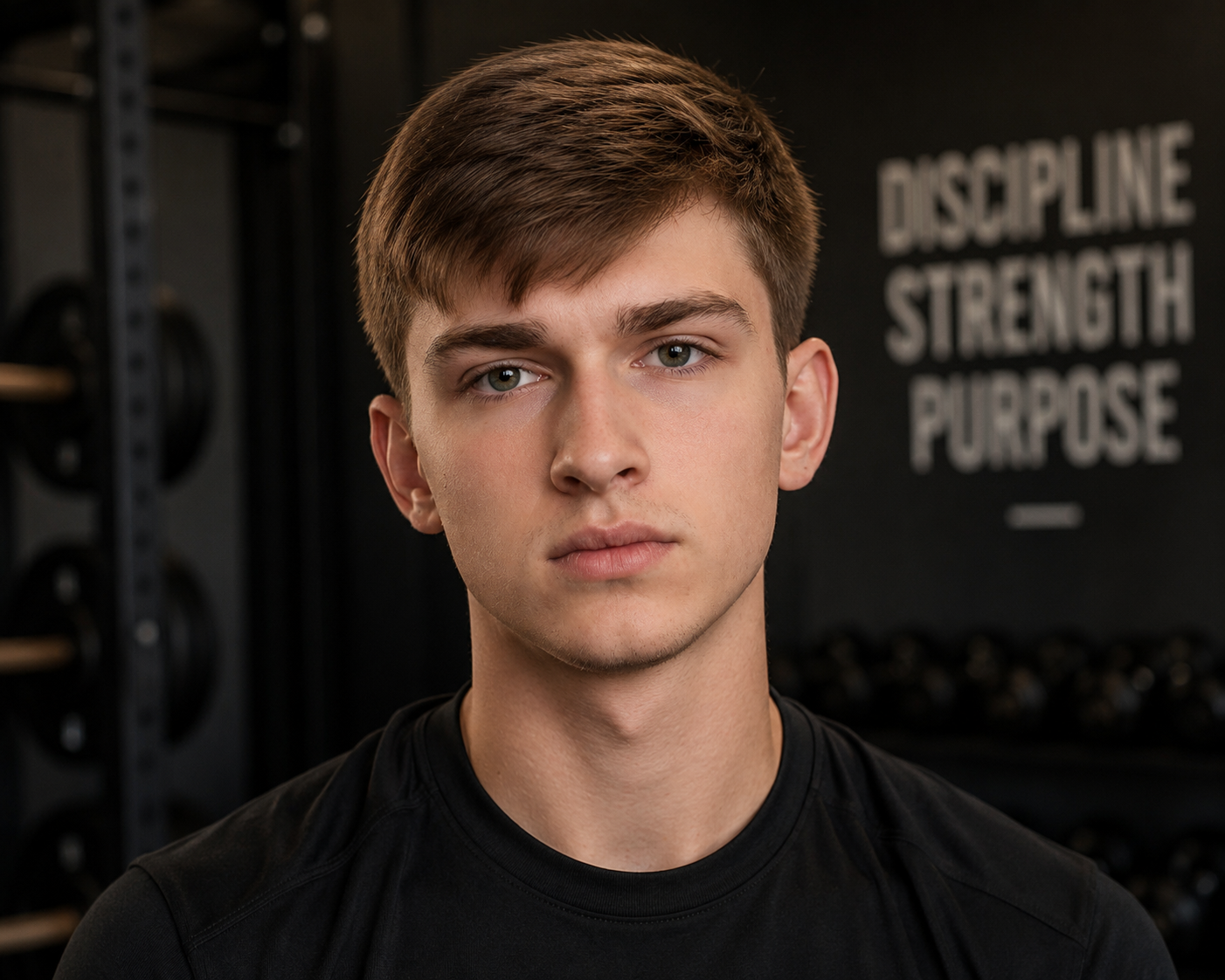
Daniel Clark grew up in a family of eight brothers and three sisters and has made fitness and personal growth an important part of his life. He writes about training, health, mindset, and building better habits.