A good workout can still feel terrible if you go into it under-fueled. You may feel weak halfway through, lose focus, or finish with the kind of exhaustion that makes the rest of the day harder than it needs to be. On the other hand, eating too much right before training can leave you sluggish, nauseous, and regretting every bite.
The goal of pre- and post-workout nutrition is not to follow a perfect formula. It is to give your body enough fuel to train well, then enough protein and energy to recover afterward. The best approach depends on the kind of workout you are doing, how long it lasts, and how your stomach handles food before exercise.
What Matters Most Before a Workout
Before training, your main goal is energy. For most moderate or intense workouts, carbohydrates are the body’s easiest source of fuel. Protein can also help, especially if it has been several hours since your last meal, but a heavy meal full of fat and fiber right before exercise usually causes more problems than it solves.
If you are eating a full meal, try to finish it about two to three hours before training. That gives your body time to digest without leaving you empty by the time the workout starts. A solid pre-workout meal might include chicken and rice, eggs with toast and fruit, Greek yogurt with oats, or a turkey sandwich with a piece of fruit.
The meal does not need to be fancy. It simply needs enough carbohydrates to support the session and enough protein to keep you from training on fumes.
If you only have 30 to 60 minutes before the workout, keep the snack smaller and easier to digest. A banana, applesauce, toast with a little peanut butter, yogurt, a granola bar, or a small protein shake with fruit can work well.
The closer you get to training, the simpler the food should be. Large amounts of fat, fiber, or heavy protein can sit in the stomach and make intense exercise uncomfortable.
Match the Meal to the Workout
Not every workout requires the same amount of fuel.
A short walk or easy mobility session may not require any special meal at all. A hard leg workout, long run, interval session, or cycling workout will usually feel better with some carbohydrates beforehand.
For strength training, a meal with protein and carbohydrates two to three hours before the session is usually enough. If you train first thing in the morning and do not tolerate much food, a banana, toast, or small shake may be all you need.
For longer endurance workouts, carbohydrates become even more important. A meal with rice, oats, potatoes, bread, or fruit can help maintain energy through the later part of the session. If the workout lasts longer than an hour, you may also benefit from carbohydrates during training, especially in the heat.
The point is not to eat as much as possible. It is to match the amount of food to the demand you are about to place on your body.
Training Fasted Is Not Automatically Better
Some people enjoy training before breakfast and feel fine doing it. Others become weak, dizzy, or noticeably less productive.
Fasted training is not automatically better for fat loss, and eating before a workout does not ruin your progress. Total calorie intake and consistency matter far more than whether you trained on an empty stomach.
If fasted training helps you stick with your schedule and your performance stays strong, it may work for you. If your strength drops, you feel lightheaded, or your workouts drag, eating something small beforehand is probably the smarter move.
Do not force a routine simply because it sounds disciplined. Use the approach that helps you train well and recover.
Hydration Starts Before the Workout
You do not want to begin training already dehydrated.
Drink water throughout the day instead of trying to fix everything in the ten minutes before your workout. For most normal gym sessions, water is enough. If you are training for a long time, sweating heavily, or exercising outside in hot weather, electrolytes may be useful.
Sodium becomes more important during longer or sweatier sessions because water alone does not replace everything lost through sweat. That does not mean everyone needs a brightly colored sports drink for a 30-minute workout. It means hydration should match the conditions.
A simple sign to watch is urine color. Very dark urine can suggest you need more fluids, while pale yellow usually means hydration is in a reasonable place.
What to Eat After a Workout
After training, your body needs protein to repair muscle tissue and carbohydrates to replace some of the energy you used.
You do not need to sprint to the locker room and drink a shake within 30 minutes. The old idea of a tiny “anabolic window” was overstated. What matters more is your total protein intake across the day and whether you eat a decent meal within a few hours of finishing.
For most people, 20 to 40 grams of protein after training is a useful target. That could come from chicken, beef, eggs, Greek yogurt, cottage cheese, fish, tofu, or a protein shake.
Add carbohydrates based on the workout and your goals. After a hard strength session, rice, potatoes, oats, fruit, bread, or pasta can help restore energy. After a lighter session, you may not need as much.
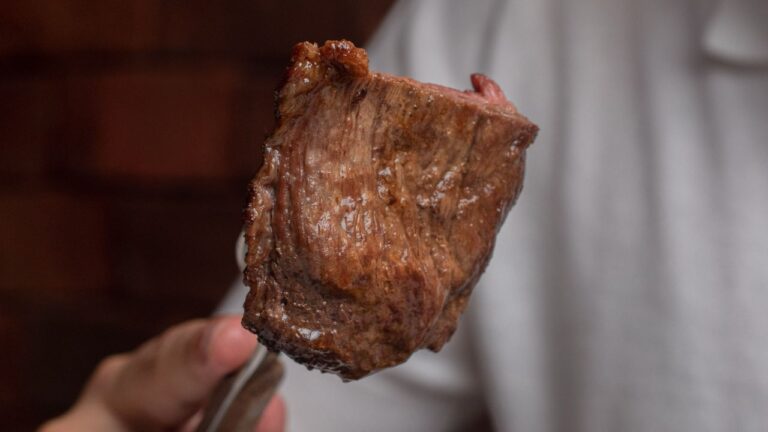
A good post-workout meal might be chicken with rice and vegetables, eggs with toast and fruit, Greek yogurt with berries and granola, or a protein shake with a banana and oats.
Protein Timing Matters Less Than Protein Consistency
A shake after training is convenient, but it is not magic.
Your body benefits more from regular protein intake across the day than from saving nearly all of it for one meal. Eating a meaningful amount of protein three or four times per day gives your muscles repeated access to the building blocks they need.
For example, you might have eggs at breakfast, chicken at lunch, yogurt or a shake around training, and beef or fish at dinner. That pattern is usually more effective than eating very little protein all day and trying to catch up at night.
A practical daily target for active adults is often around 0.7 to 1 gram of protein per pound of goal body weight, depending on training level and body-composition goals.
Avoid Overcomplicating It
Workout nutrition can become another excuse to buy expensive products and obsess over details that barely matter.
You do not need a pre-workout meal with an exact carbohydrate ratio, a special recovery drink, or five supplements lined up on the counter. Most people will do very well with normal food, enough protein, enough carbohydrates to support training, and consistent hydration.
Supplements can help with convenience. Protein powder makes it easier to reach your intake. Creatine can support strength and performance. Caffeine can improve energy, though too much can hurt sleep and leave you feeling worse later.
The basics still matter far more than the extras.
Pay Attention to Your Own Body
The best pre-workout meal on paper may not work for your stomach. Some people can eat an hour before training with no issue. Others need two or three hours.
Keep track of how different meals affect your energy, digestion, and performance. If a high-fiber meal leaves you uncomfortable, choose something simpler next time. If training fasted makes you weak, eat a small snack. If a heavy post-workout meal kills your appetite, use a shake first and eat later.
The goal is not perfect timing. It is finding a repeatable routine that helps you train hard, recover well, and stay consistent.
Eat enough before training to support the work. Eat enough afterward to recover from it. Then stop worrying about tiny details and focus on what matters most: showing up and making progress.
Josh Clark grew up going to the gym with his dad and brothers, which sparked a lifelong interest in fitness. Now a husband and father, he writes about getting stronger in the gym and becoming more disciplined, dependable, and capable in everyday life.