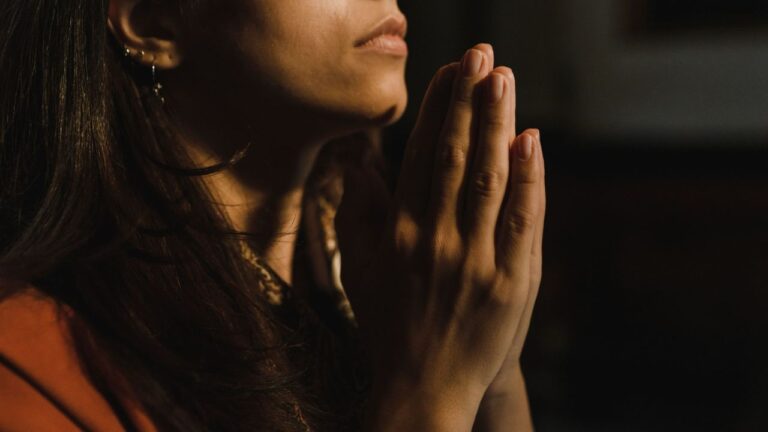
Faith does not erase hardship, but it can change how a person meets it. Across traditions, belief offers a story about suffering, a community to lean on, and habits that steady the mind and body when life feels unstable.
Psychologists and spiritual leaders now speak in similar terms about resilience, meaning, and hope, even if they use different language. That shared ground helps explain why spiritual practices so often appear wherever people are trying to heal, rebuild, or simply get through another difficult day.
How the understanding of faith and resilience has shifted
For much of the last century, faith was usually treated as a private matter, separate from psychology or medicine. Today, research on spirituality and mental health has moved closer to the center of mainstream practice. Studies of prayer, meditation, and religious community increasingly frame faith as one of several tools that can buffer stress and support recovery from anxiety, depression, and trauma.
Clinicians now focus less on what someone believes in the abstract and more on how belief functions in daily life. A spiritual framework that emphasizes forgiveness, compassion, and a sense of being held by something larger can support healthier thinking patterns. When a person interprets setbacks as evidence of personal failure, faith traditions that teach unconditional worth can interrupt that spiral and help rebuild self-confidence.
There has also been a move from seeing faith as strictly institutional to recognizing a wide spectrum of spiritual expression. Many people describe themselves as “spiritual but not religious,” drawing on contemplative practices, nature, or ancestral rituals rather than formal membership in a congregation. Mental health professionals increasingly ask about these practices during intake, treating them as potential strengths rather than quirks or side notes.
Survivors of hardship have likewise begun to speak more publicly about how belief carried them through. First-person accounts of people living with bipolar disorder, post-traumatic stress, or long-term grief often describe spiritual rituals as anchors that made therapy and medication more effective, not less. Those stories have helped move the conversation beyond theory and into lived experience.
Why spiritual coping speaks to current pressures
Rising rates of anxiety and depression, especially among younger adults, have pushed many to search for more than symptom relief. People want a reason to endure, not only a way to numb the pain. Faith traditions specialize in questions of meaning, identity, and purpose, which is why they often feel relevant when life unravels.
Therapists who work with trauma survivors describe how belief can help transform a narrative of random suffering into one of survival and growth. Accounts of people who have faced intense mental health crises show that combining professional care with spiritual practices, such as regular prayer or meditation, can support a more stable sense of self. One profile of a woman navigating severe anxiety and depression highlights how her commitment to daily reflection, service, and community gave structure to her treatment and helped her keep moving through setbacks, a pattern echoed in other stories of thriving through adversity.
Research on spirituality and mental health points to several mechanisms behind this effect. Many spiritual practices involve focused attention, slow breathing, or repetitive movement, all of which can calm the nervous system. Rituals such as lighting a candle, reciting a psalm, or chanting a mantra give the body something predictable to do when emotions feel chaotic. Over time, these routines can become cues for the brain to shift from crisis mode into a more reflective state.
Social support is another key factor. Religious communities often organize visits, meals, and practical help for members who are ill or grieving. That kind of tangible care reduces isolation, which is strongly linked with worse mental health outcomes. Even small acts, such as a check-in call from a fellow congregant or a shared moment of prayer after a setback, can remind someone that they are not carrying their burden alone.
Spiritual worldviews also shape how people interpret uncontrollable events. Belief in a loving God, a benevolent universe, or a meaningful cosmic order can soften the blow of randomness. Instead of asking “Why is this happening to me?” a person might ask “What can I learn or how can I respond faithfully?” That shift does not remove grief or anger, but it can open space for agency and hope.
Researchers also caution that not all religious coping is helpful. If a person sees hardship as punishment or believes they must hide their struggles to appear “strong in faith,” shame can deepen distress. Healthy spiritual support tends to emphasize compassion, honest lament, and the idea that doubt and fear can coexist with belief.
What a faith-informed approach to future challenges could look like
As mental health systems strain under demand, more practitioners are looking for ways to integrate spiritual resources into care without crossing ethical lines. One emerging approach involves asking clients early on about their beliefs and practices, then collaborating on how those might support treatment goals. For some, that might mean incorporating a short prayer before a difficult exposure exercise. For others, it could involve drawing on sacred texts that affirm human dignity when confronting harsh self-criticism.
Researchers who study the psychological benefits of spirituality point to several areas where faith practices may play a larger role. These include preventive programs that teach mindfulness or contemplative prayer in schools, hospital chaplaincy models that work more closely with clinical teams, and community-based support groups that frame mental health struggles in spiritual as well as medical language.
Local congregations and spiritual communities are also rethinking their role. Many are training lay leaders to recognize signs of depression, substance misuse, or suicidal thinking, and to refer people to professional help rather than trying to handle everything internally. Sermons and study groups increasingly address topics like burnout, trauma, and grief in plain language. That shift can reduce stigma and make it easier for members to admit they need more than private prayer.
On an individual level, people navigating hardship are likely to keep combining tools from different domains. One person might attend therapy, take prescribed medication, and also commit to a daily gratitude practice rooted in their tradition. Another might join a support group that opens with a short reading from scripture or a secular meditation, then moves into practical problem solving. The future of coping looks less like choosing between faith and psychology and more like weaving them together in a way that fits a person’s values.
There are also open questions that researchers and faith leaders will need to address. How can spiritual communities support members whose beliefs shift after trauma, without framing that change as failure? What safeguards are needed when religious language is used in clinical settings, especially for people who have experienced spiritual abuse? How can spiritual practices be studied rigorously without stripping them of the meaning that makes them powerful for believers?
Despite those tensions, the direction of travel is clear. As societies confront economic uncertainty, climate-related disasters, and political conflict, more people are looking for sources of resilience that are both emotionally honest and deeply rooted. Faith, in its many forms, offers stories, rituals, and relationships that help people suffer without giving up on joy. When paired with evidence-based mental health care, it can turn life’s hardest seasons into chapters of growth rather than dead ends.

Daniel Clark grew up in a family of eight brothers and three sisters and has made fitness and personal growth an important part of his life. He writes about training, health, mindset, and building better habits.