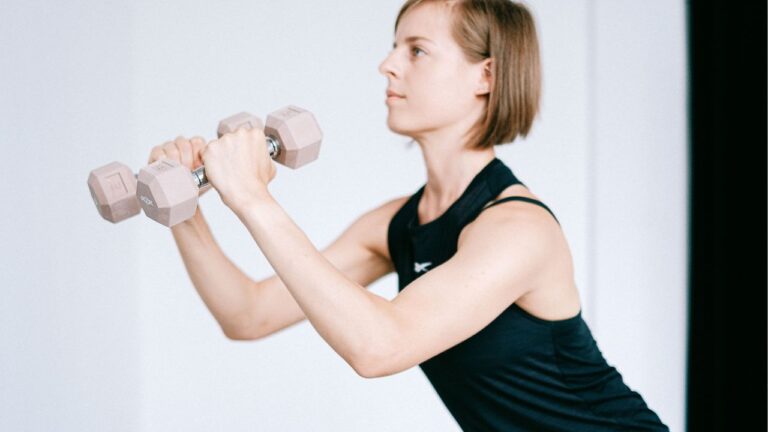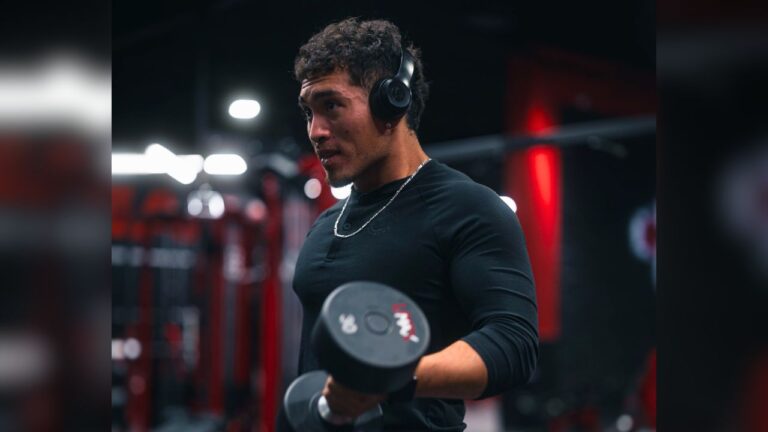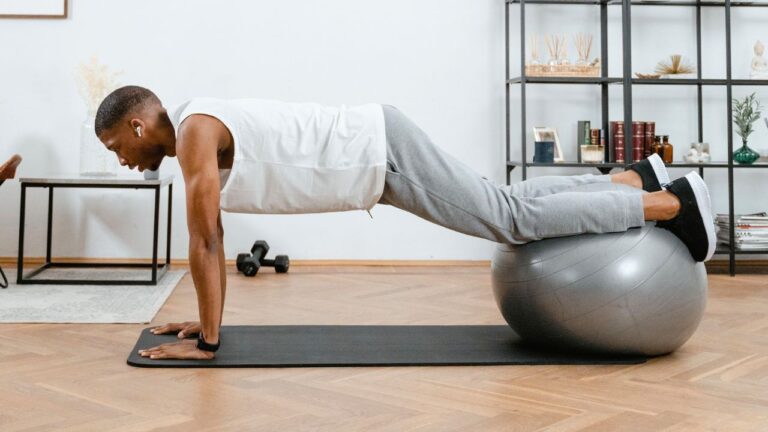
Getting started with fitness at home gives beginners a straightforward way to develop strength and endurance without equipment or travel. Bodyweight exercises form a reliable foundation because they use natural movement patterns and can be adjusted easily. These seven workouts emphasize proper form and gradual progression to help build confidence and results over time. Focus on controlled movements and breathing throughout each session. If any discomfort beyond normal muscle fatigue arises, pause and reassess the approach.
Bodyweight Squats for Lower Body Strength
Stand with your feet shoulder-width apart and toes pointed slightly outward. Tighten the core and push the hips back while bending the knees to lower into a squat position. Maintain an upright torso and ensure the knees stay in line with the toes. Rise back up by driving through the heels until the legs straighten fully.
Perform two or three sets of eight to twelve repetitions. This targets the thighs and glutes while engaging the core for stability. Beginners may use a chair for balance or reduce the depth at first. Consistent practice improves everyday movements like standing up or climbing steps.
Knee Push-Ups for Upper Body Control
Start on all fours with hands slightly wider than shoulder width and knees on the floor. Extend the legs back so the body forms a straight line from head to knees. Bend the elbows to lower the chest toward the floor, keeping elbows at roughly 45 degrees from the body. Press back up to the starting position with steady control.
Complete two or three sets of six to ten repetitions. The movement builds strength in the chest, shoulders and triceps while teaching proper pushing mechanics. Those new to the exercise can place hands on a low step or perform the lowering phase only until full push-ups feel manageable. Regular sessions support better posture during daily reaching and lifting tasks.
Forearm Planks for Core Stability
Position the forearms on the floor with elbows directly under the shoulders and legs extended behind the body. Rise onto the toes so the body forms a straight line from head to heels. Engage the abdominal muscles and glutes to prevent the hips from sagging or rising. Hold the position while breathing steadily.
Begin with two or three holds of twenty to forty seconds, resting between efforts. This exercise strengthens the deep core muscles along with the shoulders and back. Beginners can drop the knees to the floor for a modified version or shorten the hold time. Over weeks the posture carries over to improved balance during standing and walking activities.
Reverse Lunges for Leg Strength and Balance
Stand tall with feet hip-width apart. Step one foot backward and lower the back knee toward the floor while keeping the front knee aligned over the ankle. The torso stays upright throughout the movement. Push through the front heel to return to standing, then alternate sides.
Aim for two or three sets of six to ten repetitions per leg. The exercise develops strength in the quadriceps, glutes and hamstrings while training single-leg stability. Beginners can hold a chair or wall for light support or shorten the step length until balance improves. Practicing this pattern helps with activities that involve stepping backward or changing directions.
Glute Bridges for Hip and Glute Activation
Lie on the back with knees bent and feet flat on the floor about hip-width apart. Rest the arms at the sides with palms down. Press through the heels to lift the hips toward the ceiling while squeezing the glutes at the top. Lower the hips slowly back to the floor with control.
Perform two or three sets of ten to fifteen repetitions. This movement activates the glutes and hamstrings while gently engaging the core and lower back. Beginners can pause briefly at the top of each rep or place a folded towel under the hips for comfort. Regular practice supports stronger hip extension used in walking, standing and climbing stairs.
Bird Dogs for Core and Back Stability
Begin on hands and knees with the back flat and core gently braced. Extend the right arm forward and the left leg backward until both are straight and parallel to the floor. Keep the hips level and avoid arching the lower back. Hold briefly, then return to the starting position and switch sides.
Complete two or three sets of six to eight repetitions per side. The exercise builds coordination between the core, back and shoulders while training spinal stability. Beginners can lift only the arm or only the leg at first until both sides move together smoothly. Improved control here translates to better posture during prolonged sitting or standing.
Slow Mountain Climbers for Cardio Endurance
Start in a high plank position with hands under the shoulders and body in a straight line. Drive one knee toward the chest in a slow, controlled motion, then return it and switch to the opposite leg. Keep the hips steady and avoid bouncing or sagging in the middle. Maintain even breathing throughout.
Work through two or three rounds of twenty to thirty seconds of continuous movement. This exercise raises the heart rate while strengthening the core, shoulders and hip flexors. Beginners can slow the pace further or step the feet rather than drive the knees quickly. The pattern builds cardiovascular fitness that supports longer daily walks and general energy levels.
Josh Clark grew up going to the gym with his dad and brothers, which sparked a lifelong interest in fitness. Now a husband and father, he writes about getting stronger in the gym and becoming more disciplined, dependable, and capable in everyday life.