A lot of people make muscle gain harder than it needs to be. They either eat far too little and wonder why their strength stalls, or they use “bulking” as an excuse to eat everything in sight and end up gaining more fat than muscle.
There is a better way.
You can build muscle without letting your waistline run away from you, but it requires patience. The goal is not to make the scale climb as fast as possible. The goal is to get stronger, add quality size, and keep fat gain low enough that you still feel athletic and healthy.
That means training hard, eating enough, and making small adjustments instead of swinging between extremes.
Stop Treating a Bulk Like a Free-for-All
The old-school approach to gaining muscle was simple: eat as much as possible, get bigger, then diet later. That can work, but it usually creates a longer cutting phase and leaves people feeling soft, sluggish, and frustrated.
Your body can only build muscle so quickly. Eating thousands of extra calories does not force it to create muscle at a faster rate. Once your body has enough energy to support training and recovery, most of the extra food is simply stored.
A better approach is to use a small calorie surplus. You want enough food to support better workouts and gradual weight gain, but not so much that the scale jumps every week.
For many lifters, gaining around a quarter to half a pound per week is plenty. Beginners may gain muscle faster than experienced lifters, but even then, there is no reason to rush.
If your weight is climbing quickly and your waist is growing every month, you are probably eating more than you need.
Start Around Maintenance Calories
Before adding food, it helps to understand what you are currently eating.
You do not need to track calories forever, but logging your normal intake for a week can give you a useful starting point. If your body weight stays stable, you are probably eating near maintenance.
From there, add a modest amount of food—often around 150 to 300 calories per day—and watch what happens over the next two or three weeks.
That could be as simple as adding a bowl of Greek yogurt and fruit, an extra serving of rice with dinner, or a protein shake with a banana. You do not need to turn every meal into a challenge.
If your strength is improving and your weight is slowly rising, keep the plan where it is. If nothing changes after several weeks, add a little more food. If your waist starts growing quickly, pull the calories back.
Small adjustments are easier to manage than aggressive bulks followed by miserable cuts.
Make Protein a Priority
Protein is not the only thing that matters, but it is one of the most important pieces of muscle growth.
A useful target for many lifters is around 0.7 to 1 gram of protein per pound of goal body weight per day. You do not have to hit the exact number perfectly, but consistently falling far below it makes progress harder.
Spread that protein across three or four meals instead of trying to cram it all into dinner. Eggs, chicken, beef, fish, Greek yogurt, cottage cheese, milk, beans, tofu, and protein powder can all help.
Protein shakes are useful because they are convenient, not because they have some special muscle-building power. Whole foods should still make up most of your diet, but a shake can make it easier to reach your target on busy days.
Once protein is covered, fill the rest of your diet with enough carbohydrates to train well and enough fat to support overall health.
Use Carbohydrates to Fuel Training
Carbohydrates have been blamed for fat gain for years, but the real issue is usually total calorie intake.
Carbs are useful when you are trying to build muscle because they help fuel hard training. Rice, potatoes, oats, fruit, bread, and pasta can all fit into a lean-gaining plan.
You do not need to eat most of your carbohydrates at a specific minute, but having some before and after training can help with energy and recovery. A meal with protein and carbs a couple of hours before your workout is usually enough.
The goal is not to avoid carbs. It is to use them intentionally rather than constantly grazing on calorie-dense foods that do not fill you up.
Train for Progress, Not Just Exhaustion
Eating more only helps if your training gives your body a reason to build muscle.
That means progressive overload. Over time, you need to add reps, add weight, improve your range of motion, or perform harder variations. If your workouts look exactly the same for six months, your body has little reason to change.
Build your program around movements such as squats, Romanian deadlifts, presses, rows, pull-ups, and hip thrusts. Add accessory exercises for shoulders, arms, calves, and other areas you want to develop, but do not let smaller exercises replace the big work.
Most sets should finish with roughly one to three good reps left in the tank. You do not need to train to failure constantly, but the sets should be challenging enough to matter.
A workout should leave you stimulated, not destroyed. If you are always sore, exhausted, and losing strength, you are not recovering well enough to grow.
Keep an Eye on More Than the Scale
Body weight matters, but it does not tell the full story.
Use a few different markers: strength, waist measurement, progress photos, how your clothes fit, and average weekly body weight. Take measurements under similar conditions so random day-to-day changes do not mislead you.
Smart scales can show trends, but their body-fat estimates are not precise enough to treat as fact. Hydration, meals, and time of day can affect the reading. Use them as one piece of information, not the final judge of your progress.
If your lifts are improving, your muscles look fuller, and your waist is staying fairly stable, the plan is probably working.
Do Not Ignore Recovery
Muscle growth happens after training, not during it.
Sleep, stress, and total training volume all affect how well you recover. Aim for seven to nine hours of sleep when possible and avoid adding more exercises just because you think more must be better.
Most people grow well on three to five strength sessions per week. The right amount depends on your schedule, experience, and recovery.
Planned easier weeks can also help if your joints ache, motivation drops, or performance declines. Backing off for a few days is often smarter than pushing through fatigue until your training falls apart.
Keep Supplements Simple
You do not need a cabinet full of muscle-building products.
Creatine monohydrate is one of the most studied options and can support strength and training performance. Protein powder is useful when food alone makes it difficult to reach your protein target. Caffeine can improve workout performance, but taking too much or using it late in the day can hurt sleep.
Be skeptical of products marketed as legal steroid replacements or dramatic muscle-building shortcuts. A legal label does not automatically mean a product is effective or worth the money. Transparent ingredient labels and third-party testing matter more than aggressive marketing.
Training, food, and recovery will always do more than a supplement.
Be Patient Enough to Do It Right
The frustrating truth is that lean muscle gain is slow.
That is also what makes it sustainable.
You do not need dramatic weight swings or constant bulk-and-cut cycles. You need a small calorie surplus, enough protein, hard training, good recovery, and the discipline to stay consistent.
Build strength. Track your waist. Adjust food slowly. Give the process time.
The smart way to gain muscle without getting fat is not complicated. It is simply controlled enough that the muscle you gain is worth keeping.
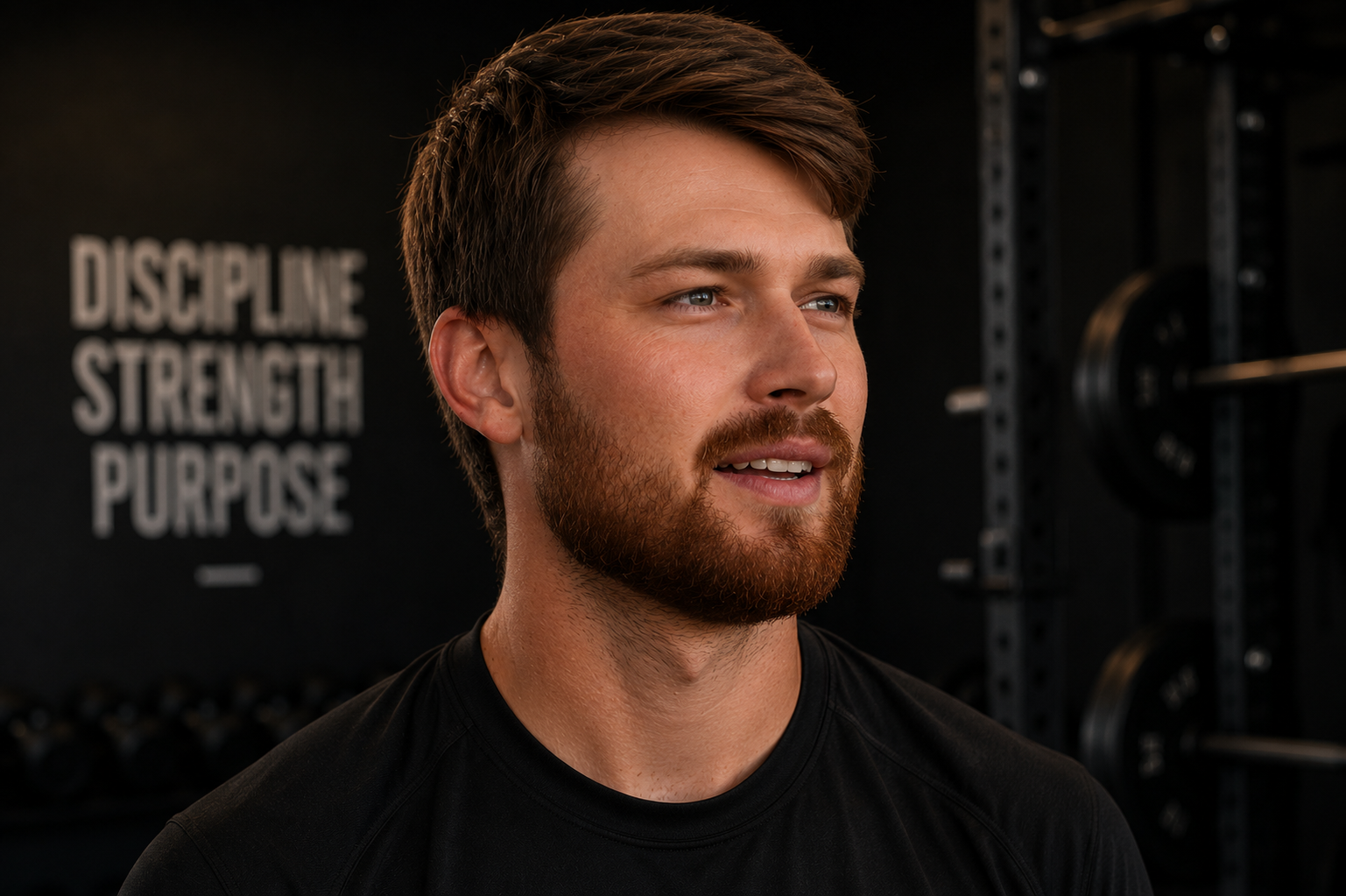
Josh Clark grew up going to the gym with his dad and brothers, which sparked a lifelong interest in fitness. Now a husband and father, he writes about getting stronger in the gym and becoming more disciplined, dependable, and capable in everyday life.