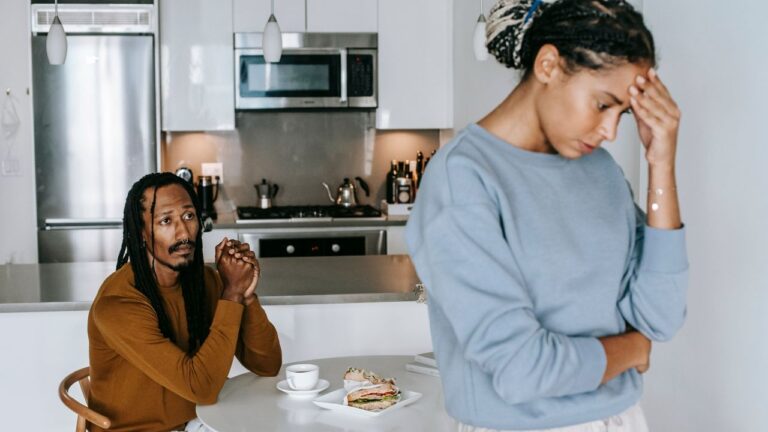
Love lands hardest when it’s translated into daily behavior that actually meets another person’s needs. Grand declarations matter far less than consistent signals of respect, safety, and emotional presence. Learning to show love in ways that register for real people starts with understanding how care, conflict, and commitment look when they’re grounded in action instead of wishful thinking.
How ideas about “real love” have shifted
For a long time, popular culture framed love around chemistry, sacrifice, and dramatic gestures. That script is slowly giving way to a more behavior-focused definition. Many people now evaluate partners less by how intense the connection feels and more by whether that person follows through, listens, and handles hard moments without cruelty. Articles that map out patterns like chronic selfishness, emotional unavailability, or contempt have helped readers recognize that certain behaviors, no matter how charming the person seems, signal that someone is not prepared to build a healthy partnership. Guidance that highlights traits such as lack of accountability or refusal to communicate as signs a man is not serious husband material has pushed the conversation toward concrete standards rather than vague ideals.
There has also been a shift from romantic destiny to relational skill. The older idea that the right person will simply “get it” has been challenged by research on attachment, trauma, and conflict styles, which shows that even strong couples need tools. More people are willing to see love as something that can be learned, practiced, and repaired, not just discovered. That change encourages partners to talk explicitly about what makes them feel cared for, whether that is practical support, verbal reassurance, or time together without distractions.
Another change is the growing acceptance that love and compatibility are not the same thing. Someone can feel deeply attached yet still recognize that the relationship structure does not support either person’s long-term wellbeing. Advice on how to step away from a bond that is intense but unstable has become more common, including step-by-step guidance on how to grieve, set boundaries, and rebuild a life after a breakup. Increasingly, people treat the decision to leave as an act of self-respect rather than a failure to love enough, which reshapes how they think about love itself.
Why meaningful expressions of love feel urgent now
Several pressures make it especially important to express love in ways that truly land. One is emotional burnout. Constant exposure to other people’s highlight reels can leave individuals feeling as if their own relationships are inadequate. That comparison effect can push partners toward performative affection that photographs well but does not actually soothe anxiety, repair trust, or deepen intimacy. In contrast, simple but reliable acts, such as checking in during a stressful day or remembering a medical appointment, often matter more than any public display.
There is also a sharper awareness of how unhealthy dynamics erode mental health. Many people describe staying in relationships where they felt chronically anxious, unseen, or devalued, then needing a long period of recovery once they finally left. Guides that walk through how to get over someone, including suggestions to limit contact, lean on routines, and challenge idealized memories, frame healing as a process that protects both dignity and future capacity to love. Detailed advice on how to get over someone often emphasizes that clinging to fantasy versions of a partner can block healthier connections, reinforcing the idea that love must be grounded in reality to be worth holding.
Economic and social stress also shape what counts as meaningful. When people are juggling unstable work, caregiving demands, and rising costs, small acts of practical solidarity carry more weight. Picking up a second shift of chores, helping with a job application, or sitting together to go through a budget can communicate love more clearly than gifts. These gestures say, “Your survival and peace of mind matter,” which many now rank above romantic spectacle.
At the same time, there is a cultural push to make peace with imperfect circumstances. Personal essays that describe learning to live with disappointment, stalled careers, or complicated families often highlight how affection shows up in small, unglamorous ways. One writer’s account of learning to accept a difficult life and still find gratitude for small comforts, such as shared meals or inside jokes, illustrates how love can feel most real in the middle of an ordinary or even “shitty” existence. That kind of reflection, seen in pieces about how someone learned to love my life despite its flaws, encourages readers to value steady, imperfect care over cinematic romance.
Practical ways to show love that actually lands
Translating these shifts into daily behavior starts with asking, then listening. Instead of guessing, partners can ask specific questions such as, “What makes you feel supported when you are stressed?” or “What did your family do that made you feel cared for, and what did you wish they had done differently?” Those answers often reveal love languages, but in more concrete terms. Someone might say they feel loved when a partner handles logistics without being asked, or when conflicts are addressed calmly rather than avoided.
Consistent reliability is one of the clearest signals of love. It includes keeping promises, being on time, and communicating proactively when plans change. Reliability also shows up emotionally. Responding to messages within a reasonable window, checking back after a hard conversation, and following through on agreed boundaries all show that another person’s feelings are taken seriously. Over time, that pattern can matter more than any single romantic gesture.
How conflict is handled is another key dimension. Love that matters in practice is not free of tension, but it does avoid patterns that research links to relationship breakdown, such as contempt, stonewalling, and chronic defensiveness. Simple habits like using “I” statements, taking short breaks when flooded rather than storming out, and circling back to repair after an argument signal respect. Apologies that name specific actions and describe what will change next time carry far more weight than vague expressions of regret.
Support for growth may be the most underappreciated form of love. People often remember the partner who encouraged them to apply for a better role, start therapy, or reconnect with a supportive friend group. That kind of encouragement must be paired with respect for autonomy. Love that matters does not try to redesign someone’s personality, but it does cheer them on as they move toward their own goals and avoids sabotaging or belittling their efforts.
For many, boundaries are where love becomes most visible. Respecting a partner’s need for alone time, privacy around certain topics, or limits on digital sharing shows that their sense of safety is taken seriously. When someone communicates a boundary, a loving response focuses on understanding and compromise rather than guilt or pressure. That response tells the other person that their “no” will not cost them affection, which is one of the strongest signals of emotional security.
How expectations for loving behavior are likely to evolve
Looking ahead, expectations around how love should look are likely to keep moving toward transparency and mutuality. People are increasingly unwilling to accept relationships where one partner carries the bulk of emotional or domestic labor while the other coasts. As more conversations highlight invisible work, couples may start to treat fair division of tasks as a basic expression of care, not a bonus.
Digital habits will also play a larger role in how love is interpreted. The way partners behave on messaging apps and social platforms already shapes whether others feel prioritized or sidelined. Clear agreements about phone use during shared time, responses to online flirting, and how much of the relationship appears on social media can prevent many small resentments from building. Such agreements turn vague expectations into explicit commitments.
Another likely development is a broader definition of what loving relationships can look like. More people are building chosen families, co-parenting arrangements outside romantic partnerships, or long-term friendships that function as primary emotional homes. In those contexts, the same principles apply. Love is shown through reliability, honest communication, and shared responsibility, whether or not the relationship fits a traditional couple model.

Brody Clark grew up as one of eight brothers and three sisters and has always taken fitness seriously. He writes about training, discipline, mindset, and becoming a stronger version of yourself.