Physical transformations from regular exercise depend on more than time logged in the gym. The body responds to training stress by adapting, yet those adaptations only become visible when several supporting conditions line up. Many people train consistently for months and still feel stuck because one or more variables outside the actual sessions receive less attention than the workouts themselves.
Progress rarely stalls for a single dramatic reason. Instead, small gaps in how training demands evolve, how the body is fueled, how it recovers, and how expectations align with real timelines tend to compound. Addressing these areas together usually produces steadier results than increasing exercise volume alone.
Progressive Overload Must Continue for Ongoing Physical Development
Training routines that stay identical for long stretches eventually stop driving further change. The body adapts to repeated demands by growing stronger and more efficient. Once current loads and volumes feel manageable, the stimulus for additional muscle or strength development fades unless the challenge increases through added resistance, extra repetitions, or greater movement complexity.
Many regular exercisers settle into familiar patterns without noticing the lack of progression. Recording weights, sets, and repetitions across sessions makes it easier to identify when demands have flattened. Small, deliberate increases over weeks and months accumulate into measurable gains that repeated identical workouts cannot produce.
Nutrition Patterns Determine How Training Efforts Translate Into Physical Change
Food intake supplies the materials and energy required for tissue repair and shifts in body composition. Training creates a stimulus for muscle growth or fat reduction, but inadequate protein intake or mismatched overall calories often limit how much of that stimulus actually shows up in measurements or appearance. People who lift consistently yet under-eat protein or remain in a large surplus frequently gain strength without visible recomp.
Matching daily intake to specific goals requires attention to both total energy and macronutrient balance rather than assuming exercise will override dietary patterns. Inconsistent eating across weeks tends to blunt the very adaptations the training sessions are meant to produce. Steady alignment between what is eaten and what is trained for supports more reliable progress.
Recovery Through Sleep and Stress Management Supports Adaptation
Most repair and growth processes occur during rest, especially deep sleep. Short or fragmented sleep reduces hormones that support muscle repair and fat regulation while elevating cortisol, which can slow recovery and favor fat storage. Individuals who train hard yet regularly average five or six hours of sleep often see slower strength gains and higher rates of nagging injuries than those who protect rest.
Daily stress from work or other responsibilities adds to the same hormonal load. Simple steps such as consistent bedtimes and boundaries around evening demands help keep cortisol manageable. When recovery capacity improves, the body handles training volume more effectively and shows the results of that work more clearly.
Training Specificity and Program Structure Influence Results
Not every workout approach produces every possible outcome. A routine built around high-repetition endurance work will not build maximal strength as effectively as one centered on progressive loading with compound movements. Conversely, programs heavy in isolation exercises may leave cardiovascular capacity underdeveloped. Adaptations follow the precise stresses applied over time.
Random or frequently shifting routines also limit progress by preventing the steady accumulation of targeted adaptations. Effective plans include logical progression, sufficient volume for the stated goal, and built-in recovery considerations. Without that structure, effort scatters across conflicting demands rather than concentrating on the intended direction.
Consistent Tracking Allows for Timely Adjustments
Without records of performance, body measurements, or subjective recovery markers, recognizing whether training is actually advancing becomes difficult. Many people attend sessions regularly yet cannot tell whether strength, endurance, or body composition has improved over several months. This absence of data makes it harder to know when to raise demands or when to emphasize recovery instead.
Simple logs that capture key variables—weights lifted, how sessions felt, periodic photos or tape measurements—provide objective feedback. Reviewing those records every few weeks often reveals patterns that daily impressions miss. Adjustments based on real trends tend to prevent long plateaus that come from continuing unchanged approaches.
Realistic Timelines and Sustained Patience Produce Better Outcomes
Meaningful shifts in muscle size, strength, or body fat usually require sustained effort measured in months rather than weeks. Early improvements in performance can appear within the first month or two, yet visible compositional changes typically need eight to twelve weeks or longer, depending on starting point, genetics, and consistency. People who expect faster visible results often reduce effort just as the compounding phase begins.
Plateaus are normal even with good programming. They signal that one or more variables needs adjustment rather than that training has failed. Maintaining steady application through periods when progress feels slow allows the adaptations already underway to become apparent. Patience paired with continued tracking separates those who eventually see results from those who cycle through programs without giving any long enough to work.
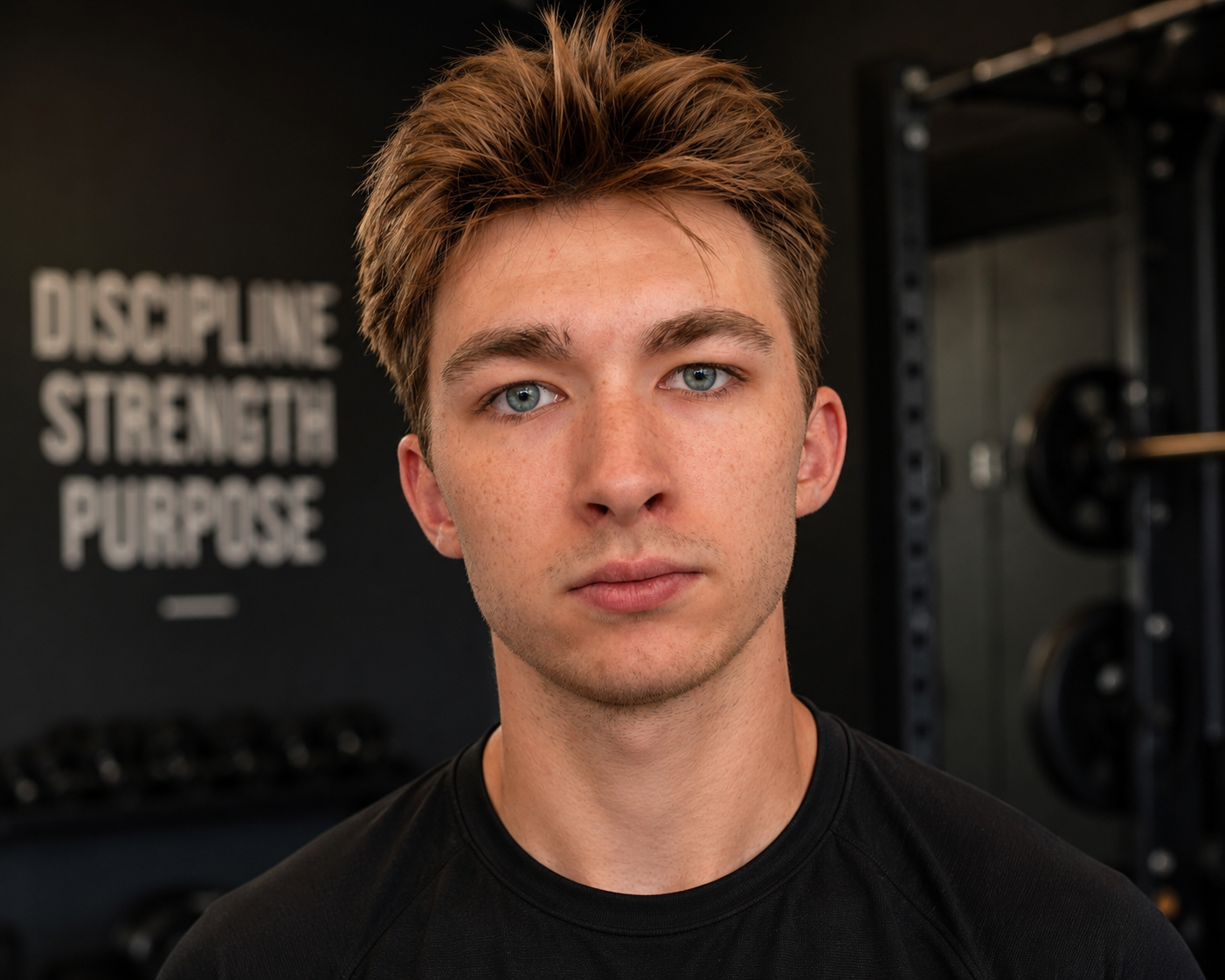
Brody Clark grew up as one of eight brothers and three sisters and has always taken fitness seriously. He writes about training, discipline, mindset, and becoming a stronger version of yourself.