Anxiety and spiraling thoughts now shape everything from sleep patterns to work performance for a huge share of people, and the pace of news, social feeds, and economic uncertainty keeps that mental noise loud. Research-backed strategies, however, show that even small, consistent changes in daily habits can quiet the cycle of worry and restore a sense of control. This guide breaks six practical approaches into clear steps that fit into ordinary routines rather than demanding a full life reset.
What changed in how people manage anxiety and overthinking
The last few years have shifted both the causes of anxiety and the tools people reach for. Constant connectivity means many individuals wake up and fall asleep with a phone in hand, feeding a habit of scrolling through alarming headlines and worst case scenarios. Clinicians now describe this pattern as doomscrolling, a loop where negative news and commentary keep the nervous system on high alert. Guidance on reducing this habit stresses simple friction points such as setting app limits, moving the phone out of the bedroom, or scheduling specific windows to check news feeds instead of grazing all day.
Alongside the digital shift, mental health professionals have refined quick interventions that people can use in the moment. Oncology specialists who see patients under intense stress teach brief techniques such as paced breathing, grounding through the five senses, and naming specific fears out loud. These tools are framed as anxiety hacks that can be used in a waiting room, on a commute, or during a difficult meeting, and they are backed by evidence that slow, diaphragmatic breathing and sensory focus reduce sympathetic nervous system arousal. Resources from major cancer centers describe how patients use these short exercises to lower heart rate and interrupt racing thoughts.
Therapists and coaches are also pushing people to reconsider how they relate to their own thoughts. Instead of trying to suppress worry, cognitive behavioral approaches encourage individuals to notice patterns, label distortions, and deliberately shift attention. Practical guides on stopping mental loops highlight habits such as scheduling a daily worry period, writing down ruminations, and then challenging whether they are predictions or facts. Some of the most widely shared advice on how to stop overthinking focuses on turning vague fears into specific problems that can be acted on, as seen in step by step lists of overthinking strategies that prioritize clarity over suppression.
Another change is the growing recognition that people have lost the skill of being alone with their thoughts without distraction. Coaches who work with high performing professionals report that many clients feel immediate discomfort when they are not multitasking or consuming content. To rebuild this capacity, they recommend short, intentional sessions of quiet time, starting with just a few minutes, where the goal is not perfect calm but simple observation of mental chatter. Guidance on how to be alone with inner experience suggests pairing this with gentle structure such as a walk, a journaling prompt, or a mindful shower, which helps people tolerate and eventually appreciate unscheduled thinking.
Language around anxiety has also become more behavioral and less moral. Rather than treating worry as a character flaw, many modern frameworks describe it as a habit loop that can be rewired. Popular psychology pieces on stopping overthinking emphasize that rumination is often an attempt to gain certainty or prevent mistakes, which means the goal is to find healthier ways to plan and evaluate risk. Lists of practical methods, including limiting decision time, choosing a single trusted confidant, and practicing self compassion statements, encourage readers to treat mental habits like any other behavior that can be trained, as seen in widely cited advice on reducing rumination.
Why practical anxiety tools matter more right now
The current environment gives anxious thinking more fuel than ever. Economic uncertainty, rapid workplace changes, and polarized public debate all provide steady material for catastrophic predictions. Combined with algorithmic feeds that prioritize outrage and fear, the result is a cognitive landscape where worst case scenarios feel both vivid and constant. Doomscrolling research shows that extended exposure to negative content correlates with higher stress and sleep disruption, which then makes it harder for the brain to regulate emotion the next day. Breaking this loop is not simply about feeling calmer, it is about protecting basic cognitive resources like attention and working memory.
Health systems have also seen how chronic anxiety affects physical outcomes. In oncology and other high stress specialties, clinicians observe that unmanaged worry can interfere with treatment adherence, pain perception, and recovery. The anxiety hacks promoted by major centers are not framed as wellness trends but as practical tools that help patients show up for appointments, tolerate procedures, and communicate clearly with care teams. This medical context reinforces a broader point for the general public, which is that learning to regulate anxiety is a health behavior on par with sleep, nutrition, and exercise.
Remote and hybrid work add another layer. Many people now move directly from a tense video call to a flood of emails to social media without any physical transition. The lack of commuting or clear boundaries means the brain receives fewer cues that one task has ended and another has begun, which can prolong rumination about work problems late into the night. Structured mental breaks, such as a five minute breathing exercise between meetings or a deliberate phone free lunch, are increasingly framed as performance tools rather than indulgences. Leaders who model these habits signal that mental reset is compatible with ambition.
There is also a generational dimension. Younger adults who have grown up with smartphones often report that silence feels threatening, which makes it harder to process emotions before they spill into anxiety. Coaching resources that teach people how to be alone with their thoughts argue that this discomfort is a trainable edge. By gradually increasing exposure to quiet, individuals learn that not every uncomfortable thought requires a reaction, which is a core skill for resisting impulsive digital engagement and for tolerating uncertainty in relationships and careers.
At a cultural level, the conversation about overthinking has become more open. High profile figures talk publicly about therapy, medication, and burnout, which reduces stigma and encourages earlier intervention. The volume of advice can feel overwhelming, and not all tips are grounded in evidence. That is why concrete, behavior based approaches, such as limiting news intake, practicing specific breathing patterns, or scheduling worry time, have gained traction. They offer testable experiments rather than vague encouragement, which helps anxious minds that crave structure feel engaged in their own care.
What comes next for everyday anxiety and overthinking strategies
The next phase of managing anxiety is likely to focus on integration rather than novelty. Many people already know that breathing exercises, journaling, or reduced screen time might help, but they struggle to apply these tools in the moment when anxiety spikes. Clinicians and coaches are therefore shifting toward implementation tactics such as habit stacking, where a new behavior is attached to an existing routine. For example, someone might decide that each time they unlock their phone they will first take one slow breath, or that every morning coffee comes with a two minute check in on what they are worried about and what is actually under their control.
Technology will continue to play a double role as both trigger and tool. On one side, algorithm driven feeds will likely keep amplifying content that provokes strong emotions, which means doomscrolling will remain a risk. On the other, mental health apps and wearables are getting better at prompting micro interventions, such as suggesting a breathing exercise when heart rate variability drops or nudging users to stand up and move after long sedentary stretches. The effectiveness of these tools will depend on whether they are used to create healthier rhythms rather than simply adding more notifications to an already crowded screen.
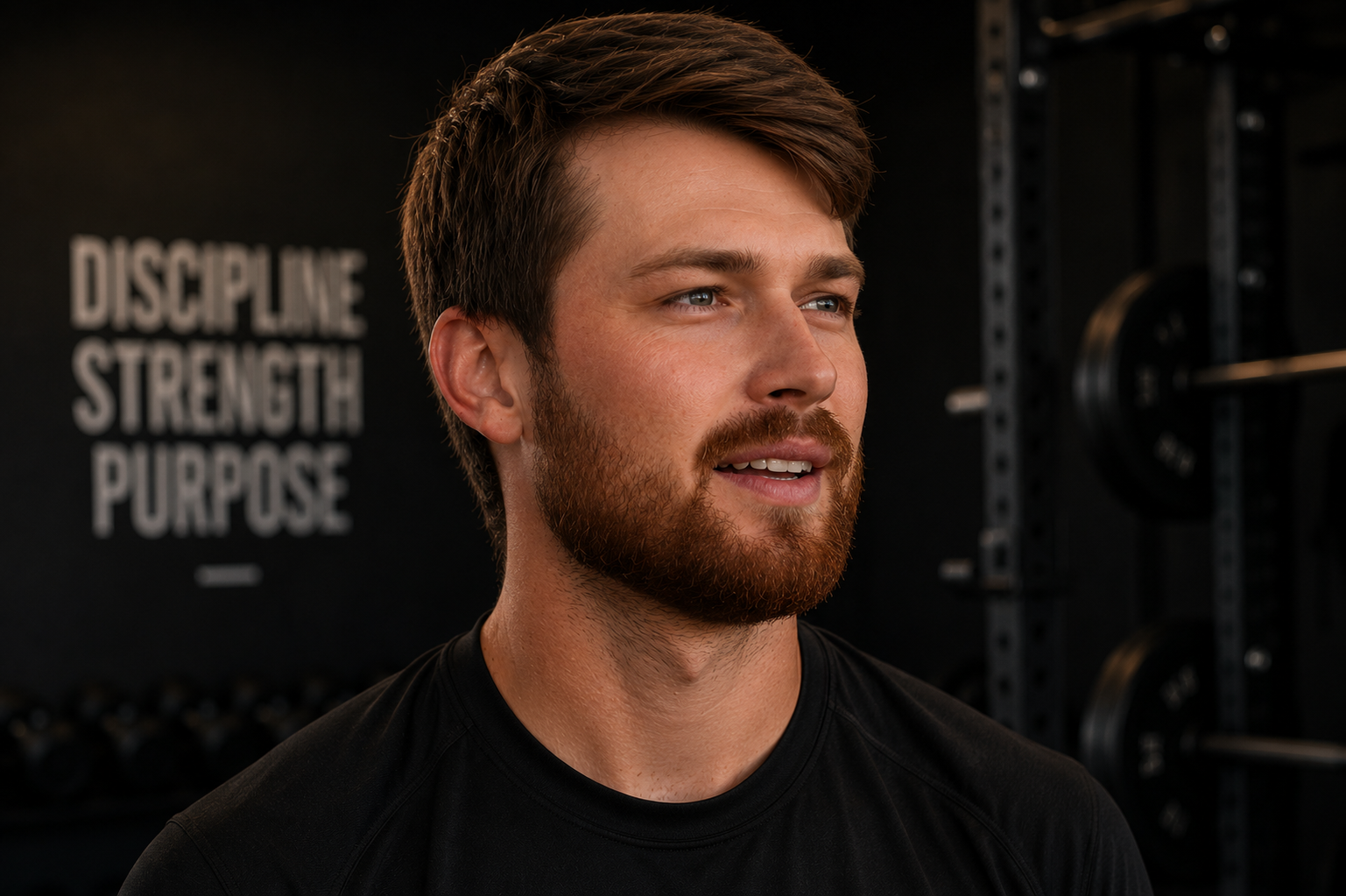
Josh Clark grew up going to the gym with his dad and brothers, which sparked a lifelong interest in fitness. Now a husband and father, he writes about getting stronger in the gym and becoming more disciplined, dependable, and capable in everyday life.