For a long time, people talked about physical health and mental health as if they had nothing to do with one another. If your body was healthy, you went to one kind of doctor. If you were struggling emotionally, you went somewhere else. They were treated like two completely separate conversations.
But anyone who’s lived very long knows that’s not how life works.
Think about the last time you slept four or five hours a night for several days in a row. You were probably more impatient, less focused, quicker to get frustrated, and less motivated to do much of anything. Now think about a season when you were carrying a heavy emotional burden. Maybe you stopped exercising, started eating whatever was convenient, stayed up too late, or withdrew from the people around you.
Your body affects your mind, and your mind affects your body. They’re constantly influencing one another.
That doesn’t mean every mental health struggle can be fixed by going to the gym or eating more vegetables. Conditions like major depression, anxiety disorders, PTSD, bipolar disorder, and other mental illnesses are real and often require professional treatment. There is no shame in talking with a physician, counselor, or therapist when you need help.
At the same time, we shouldn’t ignore something that’s equally true: the way we care for our bodies often shapes how well we’re able to handle life’s challenges. Healthy habits don’t solve every problem, but they give us a stronger foundation to stand on.
Your Body Was Designed to Move
One of the first things that tends to disappear when life gets overwhelming is movement. We sit at work, drive home, sit on the couch, scroll through our phones, and tell ourselves we’ll get back into exercising when life slows down.
The problem is that life rarely slows down on its own.
Exercise is often treated as something people do simply to lose weight or build muscle, but its benefits go much further than appearance. Regular movement helps lower stress, improves energy, supports better sleep, sharpens focus, and leaves many people feeling mentally stronger throughout the day.
Most people have experienced this without even realizing it. You go for a walk after a stressful day, and the circumstances haven’t changed, but somehow your perspective has. The problem is still there, but your mind doesn’t feel trapped inside it anymore.
You don’t have to become a marathon runner or spend two hours a day in the gym for this to happen. A thirty-minute walk, a strength workout a few times a week, a bike ride, or even working outside can make a meaningful difference over time.
The goal isn’t simply to burn calories. It’s to take care of the body God has given you so you’re physically prepared for the responsibilities He’s placed in front of you.
Sleep Is More Important Than Most People Think
We live in a culture that often celebrates being busy. Running on little sleep is sometimes worn like a badge of honor, as though exhaustion proves you’re working harder than everyone else.
In reality, constantly neglecting sleep catches up with you.
When you don’t get enough rest, almost everything becomes harder. Your patience wears thin. Decision-making becomes more difficult. Cravings increase. Workouts suffer. Small inconveniences suddenly feel much bigger than they really are.
Sleep isn’t wasted time. It’s one of the primary ways your body repairs itself. Muscles recover, hormones regulate, memories are processed, and your brain gets the opportunity to reset before another day begins.
If you’re constantly struggling with low energy, irritability, or difficulty concentrating, one of the first places worth looking is your sleep habits. Going to bed at a consistent time, limiting screens before bed, and creating an environment that actually allows for rest won’t solve every mental health challenge, but it often removes one obstacle that makes everything else feel heavier.
What You Eat Affects More Than Your Waistline
Food is one of those topics that usually turns into an argument about diets.
One person swears by keto. Another insists on carnivore. Someone else believes intermittent fasting is the answer. Before long, people are defending eating plans instead of talking about the bigger picture.
Most people don’t need another trendy diet. They need better consistency.
Your brain requires nutrients just as much as your muscles do. Living on processed foods, sugar, and energy drinks while expecting to feel mentally sharp isn’t realistic. At the same time, obsessing over every calorie and trying to eat perfectly often creates its own kind of stress.
A better approach is surprisingly simple. Eat enough protein. Include fruits and vegetables most days. Choose whole foods more often than heavily processed ones. Drink enough water. Pay attention to how different foods make you feel instead of assuming everything affects your body the same way.
No single meal determines your health. Neither does one bad day of eating. What matters most is the direction you’re consistently moving.
Stress Was Never Meant to Be Constant
Stress is part of life. Nobody gets through adulthood without carrying heavy responsibilities or walking through difficult seasons.
The problem isn’t experiencing stress. The problem is never stepping out of it.
When your body spends weeks or months feeling like it’s constantly under attack, it begins responding accordingly. Sleep suffers. Recovery slows. Anxiety often increases. Relationships become strained. You start operating in survival mode instead of actually living.
That’s why healthy rhythms matter.
Exercise gives your body a chance to release tension. Time outside reminds you there’s a world beyond your deadlines. Prayer helps shift your attention back to the One who is actually carrying the weight of your future. Scripture reminds you of what’s true when your emotions are telling you something different.
Sometimes those things are enough to restore perspective. Sometimes additional help is needed through counseling, medical care, or trusted mentors. Wisdom is knowing when to reach for each one.
You Weren’t Designed to Carry Everything Alone
One of the most overlooked parts of both physical and mental health is community.
People often underestimate how much isolation affects them. You can spend hours interacting with people online while still feeling completely alone. Real relationships are different. They encourage you when you’re discouraged, challenge you when you’re drifting, and remind you that you’re not carrying every burden by yourself.
Healthy relationships also make healthy habits easier.
You’re more likely to stay consistent with exercise when someone is expecting you at the gym. You’re more likely to stay grounded during difficult seasons when you have people who know what you’re walking through. Sometimes a conversation with a trusted friend can lift a weight you’ve been carrying for weeks.
God didn’t design us to handle every struggle in isolation. From the beginning, people were created for relationship—with Him and with one another.
Don’t Ignore What Your Mind Is Trying to Tell You
There are seasons when everyone feels discouraged, anxious, overwhelmed, or emotionally drained. Life has a way of bringing those moments.
But if those feelings become constant, begin interfering with daily life, or leave you feeling hopeless, don’t simply assume they’ll disappear on their own.
Talk to someone.
That may be a trusted friend, your pastor, a physician, or a licensed counselor. Seeking help isn’t evidence that your faith is weak. It’s an acknowledgment that God often works through the people and resources He has provided.
Too many people wait until they’re completely overwhelmed before asking for help. There’s wisdom in addressing problems early instead of hoping they’ll eventually work themselves out.
Build a Lifestyle, Not a Quick Fix
One of the biggest mistakes people make is trying to change everything overnight.
They decide they’re going to wake up at five every morning, work out six days a week, completely change their diet, never eat dessert again, and fix every unhealthy habit all at once.
A week later, they’re exhausted and discouraged because they couldn’t sustain it.
Real health almost never works that way.
It grows through small decisions repeated consistently over time. A daily walk. A better bedtime. Drinking more water. Lifting weights a few times each week. Spending less time on your phone before bed. Reading Scripture before the day gets busy. Having honest conversations with people you trust instead of carrying everything by yourself.
None of those habits seem dramatic on their own. Together, though, they create a foundation that’s much stronger than chasing one quick fix after another.
Your physical health and your mental health were never meant to compete with one another. They work together because that’s how God designed you. Taking care of your body isn’t about chasing an unrealistic image or trying to impress people at the gym. It’s about becoming healthy enough—physically, mentally, emotionally, and spiritually—to faithfully live the life God has called you to live.
You don’t have to get everything right this week. Just take the next wise step, stay consistent, and let those small decisions add up over time.
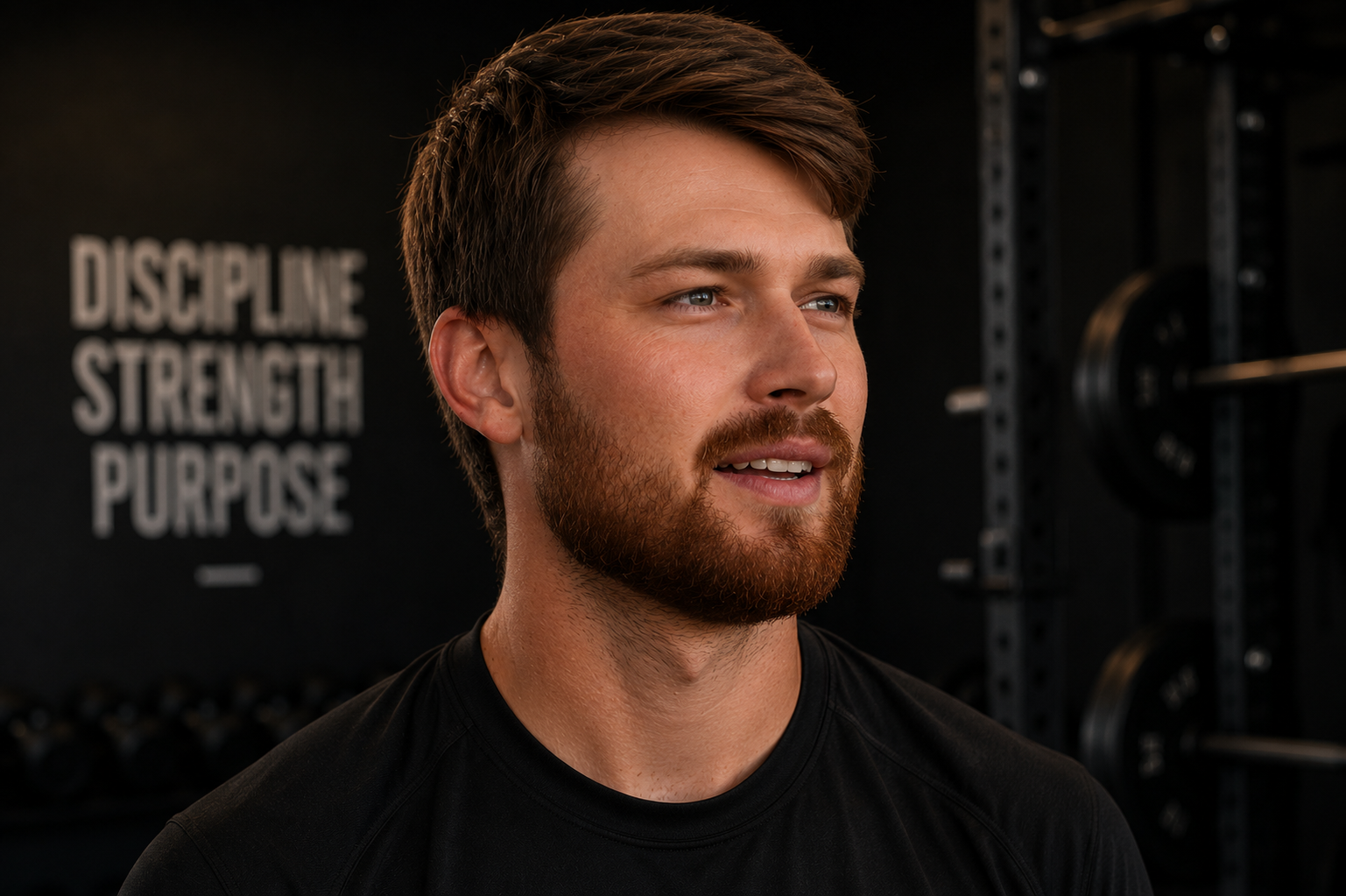
Josh Clark grew up going to the gym with his dad and brothers, which sparked a lifelong interest in fitness. Now a husband and father, he writes about getting stronger in the gym and becoming more disciplined, dependable, and capable in everyday life.