Bigger, stronger arms are not just about aesthetics. Well-trained biceps, triceps, and shoulders support healthier posture, protect the elbows and wrists, and make everyday tasks feel lighter. The most effective routines combine smart exercise selection with form that keeps tension on the muscles instead of the joints, whether someone is lifting heavy weights or using only bodyweight.
How the “8 best” arm moves evolved beyond basic curls
Classic arm days once revolved around a few barbell curls and some triceps pushdowns. Modern strength coaching has shifted toward multi-joint patterns that load the arms while also challenging the chest, back, and core. That evolution reflects a broader understanding of how muscles grow: they respond to total training stress, not just isolated movements.
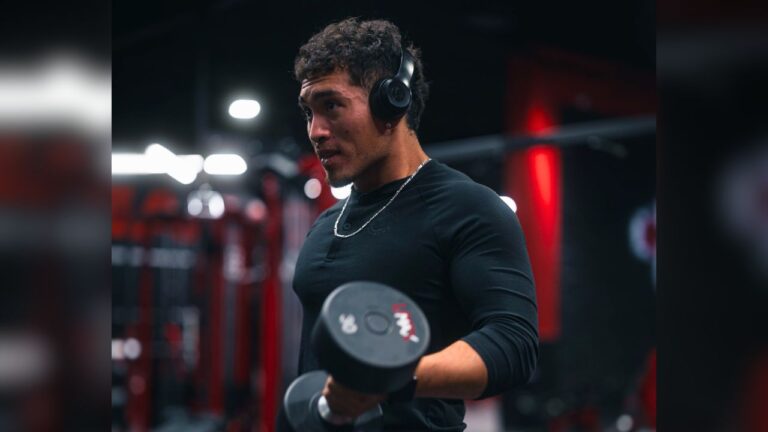
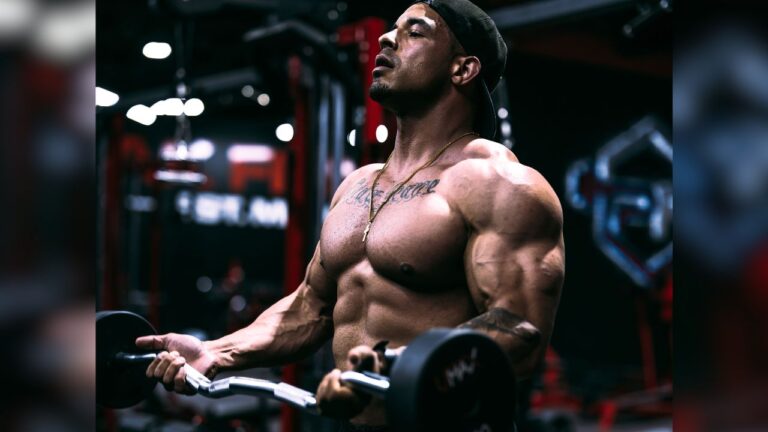
Coaches now emphasize that small changes in technique can transform a familiar move. With biceps work, for example, they stress controlling the eccentric phase and avoiding momentum so that the biceps, not the hips or lower back, do the work. Detailed tips on grip, elbow position, and tempo for the standard curl show how a basic exercise can be upgraded into a focused muscle builder, as explained in biceps coaching.
The current list of eight key arm builders reflects this evolution. Rather than eight nearly identical curl variations, it combines compound and isolation work:
- Close grip pushups or bench presses that load the triceps and chest together
- Overhead presses that challenge the shoulders and upper back while the arms press the weight
- Chinups or underhand rows that make the biceps work hard in tandem with the lats
- Targeted curls and triceps extensions to finish the muscles with higher tension sets
Upper body programs that highlight pushups, rows, and presses show how these bigger patterns can be arranged into efficient sessions that still deliver serious arm growth. Guides to eight-move routines for chest, back, and shoulders illustrate how compound lifts like the overhead press and row sit at the core of an effective plan, with curls and triceps work layered on top, as seen in modern upper body programming.
Accessibility has also changed. Many lifters cannot always reach a fully equipped gym, so the “best” list now includes bodyweight options that can be done in a small space. No-equipment arm sessions that rely on pushup variations, dips between sturdy chairs, and slow-tempo bodyweight curls against a towel or bedsheet show that meaningful arm training is possible with zero hardware, as laid out in several no equipment routines.
Why smarter arm training matters for strength, posture, and comfort
Stronger arms are not just a vanity project. They directly affect how the upper body moves and feels throughout the day. Pressing and pulling exercises that train the arms also recruit the muscles that stabilize the shoulder blades and spine. Together, those actions support better posture at a desk, improve overhead reach, and can reduce the strain that often lands in the neck and upper back.
Standing-based movements play a bigger role in these updated arm plans. When someone performs overhead presses, curls, or rows on their feet, the core must brace to keep the torso stable. Guides to standing core work highlight how upright positions challenge the abdominals and obliques while the arms move, turning a simple curl into a full-body stability drill. Resources on standing exercises show how this approach can improve balance and reduce reliance on machines or benches.
Recovery is another reason this topic matters now. People returning to training or increasing volume often worry when their arms feel tender or tight. Soreness after exercise is common, but discomfort can also appear when someone changes daily activity, spends more time carrying loads, or even holds a new posture for long periods. Medical explanations of muscle soreness describe how microscopic damage and inflammation can cause delayed pain, sometimes even when a formal workout did not happen. Guidance on unexplained soreness helps lifters distinguish normal training fatigue from warning signs that call for rest or medical input.
Understanding that context encourages a more measured approach to arm training. Instead of chasing a pump with endless sets, lifters are better served by a structured mix of heavy compounds and moderate isolation work, followed by adequate recovery. That balance supports connective tissues in the elbows and shoulders and helps avoid the overuse problems that can derail progress.
There is also a practical side. Many people want stronger arms to make real tasks easier, from lifting grocery bags to carrying children or luggage. Pulling patterns like chinups and rows teach the body to coordinate grip, biceps, and back muscles, which translates directly to these everyday efforts. Pushing patterns like close grip pushups and dips build the triceps and chest, which support tasks such as pushing a heavy door or getting up from the floor.
The shift toward bodyweight and minimal equipment solutions also makes arm training more inclusive. People who travel often, work irregular hours, or prefer to exercise at home can still follow a progression that challenges the arms. By rotating between pushups, chair dips, inverted rows under a sturdy table, and slow-tempo towel curls, they can hit the same movement patterns that a gym-based lifter would train with barbells and cables.
How arm workouts are likely to keep evolving from here
The next phase of arm training is likely to focus less on novelty and more on precision. Rather than chasing every new variation, lifters are starting to refine a small set of proven moves and track them carefully over time. That means logging sets, reps, and loads on key exercises, then adding small increments as strength improves.
For weighted sessions, a simple template might center on four anchors: a heavy press, a heavy pull, a focused curl, and a focused triceps extension. Overhead presses, close grip bench presses, or weighted dips can fill the pressing slot. Chinups, underhand rows, or pulldowns cover the pulling slot. Then a standing dumbbell curl and an overhead triceps extension finish the arms with more isolated tension.
For lifters without equipment, progression will rely more on angles, tempo, and volume. Elevating the feet in a pushup shifts more load to the arms and shoulders. Slowing the lowering phase of a bodyweight curl or dip increases time under tension. Partial-range reps at the end of a set can extend the stimulus without adding external weight. No-equipment guides already recommend manipulating these variables in structured bodyweight plans, and that trend is likely to continue.
Coaching around technique will also keep tightening. Detailed breakdowns of joint position, grip width, and posture in the curl, press, and row are becoming standard. Resources that explain how to keep the elbows slightly in front of the body during curls, avoid swinging the torso, and control the lowering phase, such as the focused curl technique advice, provide a model for how other arm moves will be taught.
There is growing interest in pairing arm work with core and lower body training in the same standing circuits. Guides to upright ab training show how a session might alternate overhead presses with standing twists or marches, which keeps the heart rate elevated and uses time efficiently, as seen in structured standing circuits. Arm-focused athletes are likely to borrow more of these ideas to build conditioning without sacrificing strength.
Recovery education will likely expand too. As more people train at home without direct supervision, clear explanations of normal soreness, overtraining signs, and simple mobility work become more valuable. Medical overviews of muscle pain that appears without formal exercise, including the role of new activities and daily posture, provide a framework for judging when to push and when to pull back, as described in guidance on muscle pain.
Ultimately, the best arm routines of the near future will keep blending heavy compound lifts, precise isolation work, and bodyweight options that fit into busy schedules. Whether someone trains with a full rack of dumbbells or only a mat and a doorframe, the path to bigger arms will look similar: consistent practice on a small set of smart exercises, careful attention to form, and enough recovery to let the muscles grow.
Josh Clark grew up going to the gym with his dad and brothers, which sparked a lifelong interest in fitness. Now a husband and father, he writes about getting stronger in the gym and becoming more disciplined, dependable, and capable in everyday life.